
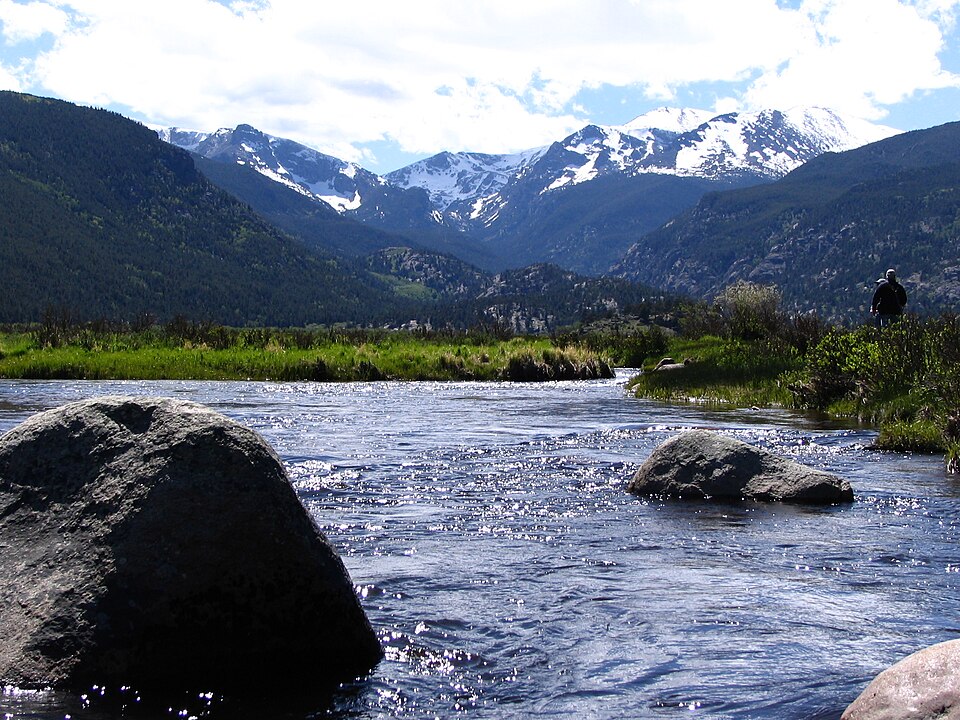
Ever driven a road so high up that the clouds are literally below you? That’s a normal afternoon on Trail Ridge Road, the crown jewel of Rocky Mountain National Park. Tucked into north-central Colorado, this park is where jagged, snow-dusted peaks meet wildflower-filled meadows, and where elk casually wander through valleys like they own the place, because honestly, they kind of do.
Let’s break down why this park remains one of the most visited, and most jaw-dropping, destinations in the entire National Park System.
What Is Rocky Mountain National Park?
Rocky Mountain National Park spans the Continental Divide, meaning it straddles the line where water on one side flows toward the Pacific Ocean and water on the other flows toward the Atlantic. With over a third of the park sitting above the tree line, it offers some of the most dramatic alpine scenery accessible by car anywhere in the country.
A Quick Snapshot of the Park
Established in 1915, Rocky Mountain National Park covers roughly 265,000 acres and includes more than 100 named peaks, with 77 of them exceeding 12,000 feet. It’s consistently ranked among the most visited national parks in the United States, drawing millions of travelers each year.
The History Behind Rocky Mountain National Park
Long before it became a beloved national park, this rugged terrain was shaped by both natural forces and determined human effort to protect it.
The Push to Protect the Rockies
Naturalist Enos Mills, often called the “Father of Rocky Mountain National Park,” spent years advocating for federal protection of this landscape, giving lectures and writing extensively about its beauty. His efforts paid off in 1915 when President Woodrow Wilson signed the legislation establishing the park, securing its future for generations to come.
The People Who Lived Here First
Before European settlers arrived, the Ute and Arapaho peoples used this mountainous region for hunting and seasonal travel, following game across high alpine passes that are still used by hikers today. Their historical presence remains an important part of understanding the full story of this landscape.
Trail Ridge Road: The Highest Highway in America
If there’s one attraction that defines a visit to Rocky Mountain National Park, it’s this legendary stretch of pavement.
Driving Above the Clouds
Trail Ridge Road holds the title of the highest continuous paved road in the United States, reaching an elevation of 12,183 feet at its highest point. Driving it feels like ascending into an entirely different ecosystem, from dense forest to stark, treeless tundra within just a few miles. Just keep in mind, the road typically closes from mid-October through late May due to heavy snowfall.
Wildlife Along the Way
Don’t be surprised if you hit a little traffic jam caused by elk casually crossing the road, or bighorn sheep perched on a nearby ridge. Trail Ridge Road isn’t just a scenic drive, it’s practically a wildlife safari with pavement.
Top Things to Do in Rocky Mountain National Park
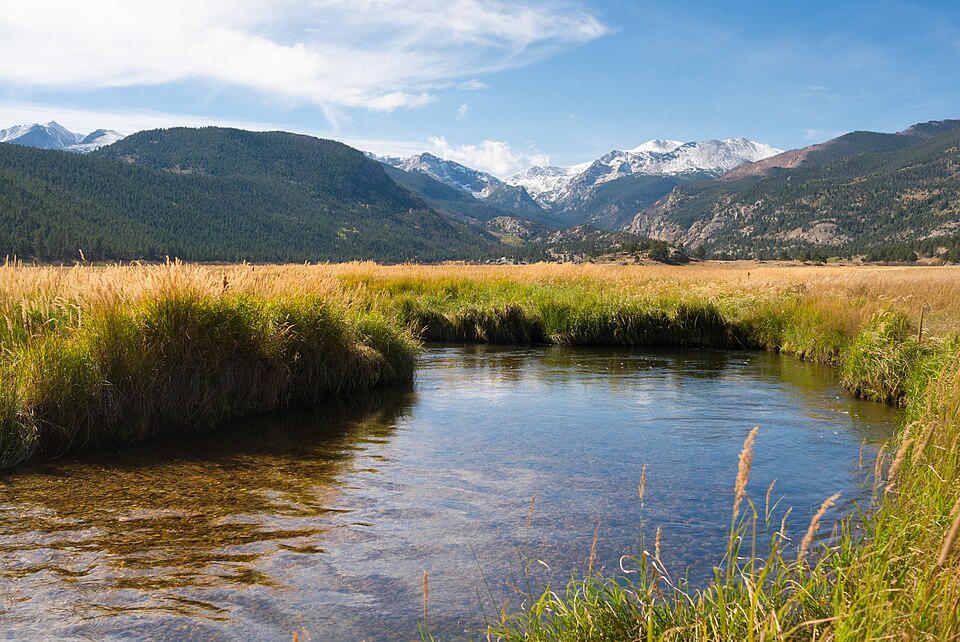
Beyond the famous drive, this park offers plenty of ways to get out and explore on foot.
Hiking Trails for Every Skill Level
Rocky Mountain National Park has trails ranging from easy lakeside strolls to grueling high-altitude summit pushes.
Bear Lake Trail
This short, easy loop around Bear Lake is one of the most popular trails in the park, offering stunning mountain reflections without requiring much effort. It’s a great starting point for those new to the park or short on time.
Longs Peak
For serious hikers, Longs Peak stands as the park’s tallest mountain at 14,259 feet. Summiting it is a full-day, strenuous endeavor requiring an early alpine start, but reaching the top ranks among the most rewarding hiking achievements in Colorado.
Wildlife Watching in the Meadows
Areas like Moraine Park and Horseshoe Park offer expansive meadows where wildlife sightings are almost guaranteed, especially during early morning or evening hours when animals are most active.
Wildlife You Might Encounter
Rocky Mountain National Park is home to an impressive range of wildlife adapted to high-altitude living. Elk are among the most commonly spotted animals, along with mule deer, moose, and bighorn sheep navigating the park’s rocky terrain. Black bears roam the forested lower elevations, while pikas, small rabbit-relatives, can often be heard squeaking among rock piles in the alpine tundra.
The Elk Rut: A Fall Spectacle
Every September and October, the park’s elk enter their annual rut, or mating season, filling the valleys with the eerie, high-pitched sound of bugling males. It’s one of the most popular times to visit, drawing photographers and wildlife enthusiasts eager to witness the dramatic display firsthand.
Best Time to Visit Rocky Mountain National Park
Because of its high elevation, the timing of your visit can dramatically shape your experience.
Visiting in Summer vs. Fall
Summer offers full access to Trail Ridge Road and the widest range of hiking opportunities, though it’s also the busiest and often requires timed entry permits. Fall brings cooler temperatures, changing aspen colors, and the dramatic elk rut, all while crowds begin to thin out slightly. Winter, while beautiful, closes most of Trail Ridge Road and limits access to lower-elevation areas only.
Where to Stay Near the Park
Inside the park, several campgrounds offer a chance to sleep beneath some of the darkest skies in Colorado. The nearby town of Estes Park serves as the main gateway, offering a wide range of hotels, cabins, and restaurants just minutes from the park entrance.
Tips for Planning Your Trip
Before heading out, keep these tips in mind:
- Reserve timed entry permits in advance, especially for summer visits.
- Pack layers, temperatures can swing dramatically at higher elevations.
- Start hikes early to avoid afternoon thunderstorms, common in summer.
- Watch for wildlife on roadways, especially elk during fall rutting season.
- Check Trail Ridge Road conditions before visiting, since it closes seasonally.
Conclusion
Rocky Mountain National Park captures everything that makes Colorado’s wilderness so special, dramatic peaks, abundant wildlife, and a road that quite literally takes you above the clouds. Whether you’re watching elk bugle across a fall meadow, summiting Longs Peak at sunrise, or simply pulling over along Trail Ridge Road to take in the view, this park has a way of reminding visitors just how vast and wild the Rockies really are. So plan that trip, the tundra has been waiting.
Frequently Asked Questions (FAQs)
1. Do I need a permit to visit Rocky Mountain National Park?
Yes, timed entry permits are typically required during peak summer months, so it’s best to reserve one in advance.
2. When does Trail Ridge Road open and close each year?
It typically opens by late May and closes by mid-October, though exact dates depend on annual snowfall.
3. Is Rocky Mountain National Park good for beginner hikers?
Yes, trails like Bear Lake offer an easy, scenic option, while more experienced hikers can tackle challenging routes like Longs Peak.
4. What’s the best time to see elk in the park?
Fall, particularly September and October, offers the best chance to witness the dramatic elk rut in meadows throughout the park.
5. How far is Rocky Mountain National Park from Denver?
The park is roughly a two-hour drive from Denver, making it a popular day trip or weekend getaway destination.