
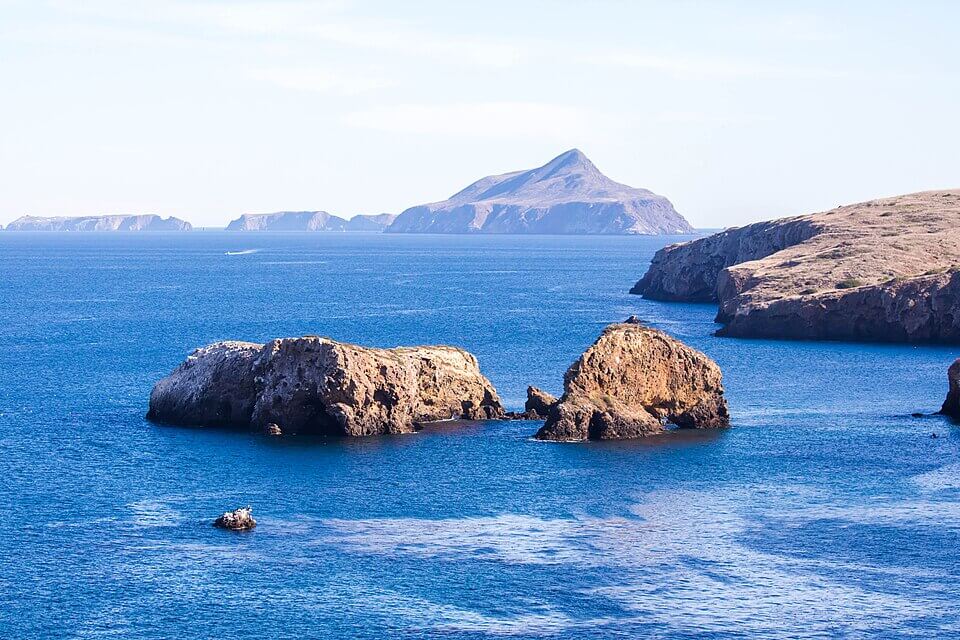
Ever wanted to visit a place so isolated that entire species evolved differently just because they were cut off from the mainland? That’s exactly what makes Channel Islands National Park so fascinating. Often nicknamed “North America’s Galapagos,” this cluster of islands off the coast of Southern California feels like a completely different world, despite being just a boat ride away from busy coastal cities like Ventura and Santa Barbara.
Let’s explore what makes this often-overlooked park such a hidden gem.
What Is Channel Islands National Park?
Channel Islands National Park is made up of five islands: Santa Cruz, Santa Rosa, San Miguel, Anacapa, and Santa Barbara, along with the surrounding ocean waters. Unlike most national parks, getting here requires a boat or plane, which naturally limits crowds and keeps the islands feeling wild and untouched. It’s the kind of place where isolation isn’t a drawback, it’s the entire point.
A Quick Snapshot of the Park
Established in 1980, Channel Islands National Park protects roughly 250,000 acres, about half of which is land and half ocean. Because access is limited to boats and small planes, it remains one of the least visited national parks in the country, which honestly only adds to its appeal for those seeking a quieter adventure.
The History Behind Channel Islands National Park
The story of these islands stretches back thousands of years, long before ranchers, conservationists, or park rangers ever arrived.
From Ranching Land to Protected Islands
Throughout the 1800s and much of the 1900s, several of the islands were used for cattle and sheep ranching. Over time, conservation efforts gained momentum as the ecological value of the islands became clear, particularly their role in protecting unique species found nowhere else on Earth. By 1980, Congress officially established the islands as a national park, shifting their purpose from agriculture to preservation.
The People Who Lived Here First
The Chumash people lived on these islands for thousands of years before European contact, developing a sophisticated maritime culture built around fishing, plank canoes, and trade with mainland communities. Archaeological sites throughout the islands, some dating back over 13,000 years, offer a glimpse into one of the longest continuous human histories in North America.
The Five Islands: Each One Different
Part of what makes this park so special is that no two islands feel quite the same, each one offers its own personality and landscape.
Santa Cruz Island: The Largest of the Bunch
Santa Cruz Island is the biggest of the five and the most popular for day visitors. It features dramatic sea caves, including Painted Cave, one of the largest and deepest sea caves in the world, along with excellent hiking and kayaking opportunities.
Anacapa Island: The Gateway Island
Anacapa is often the easiest island to reach, making it a popular choice for first-time visitors. Its iconic Arch Rock and bright orange poppies in spring make it one of the most photographed spots in the entire park.
Top Things to Do in Channel Islands National Park
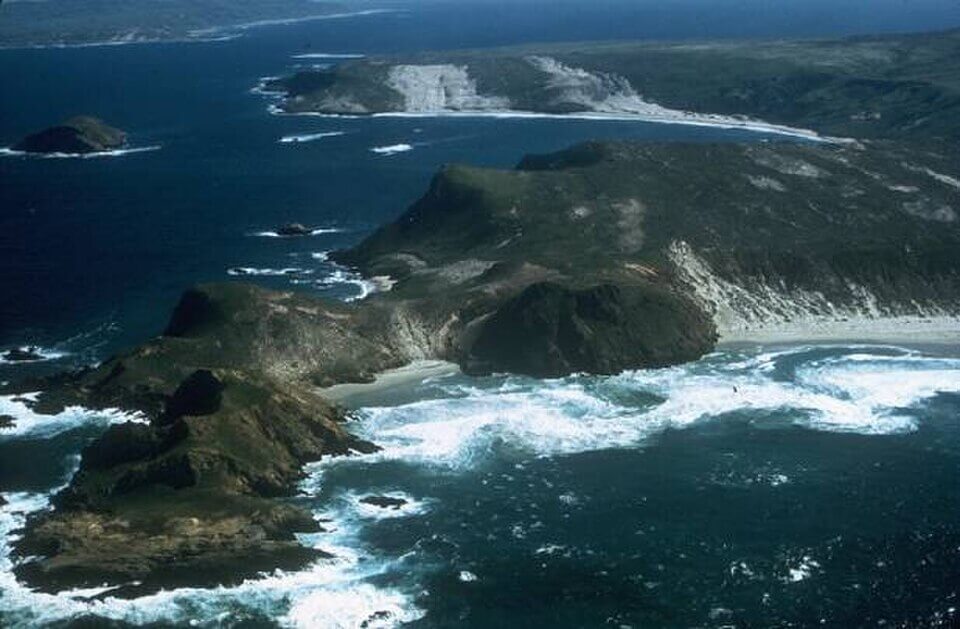
Once you’ve made the boat trip out, there’s plenty to keep you busy, both on land and in the water.
Hiking Trails for Every Skill Level
The islands offer a range of trails, from short coastal walks to longer, more rugged hikes.
Cavern Point Loop
This roughly 1.5-mile loop on Santa Cruz Island offers stunning coastal views without requiring too much effort, making it a great option for visitors short on time or stamina.
Inspiration Point Trail
Located on Anacapa Island, this short but scenic trail leads to sweeping views of the surrounding channel, often with sea lions barking somewhere in the distance below.
Kayaking Through Sea Caves
One of the most unique experiences here is kayaking through the island’s many sea caves, including the massive Painted Cave. Paddling through narrow, echoing passageways with sunlight filtering in from above feels less like a hike and more like an adventure straight out of a movie.
Wildlife You Might Encounter
These islands are home to species found nowhere else on the planet, along with an impressive array of marine life just offshore. Whale watching is a major draw, with gray whales migrating through the channel in winter and blue whales, the largest animals on Earth, often spotted during summer months. Seals and sea lions lounge along the shorelines, while seabirds nest in massive colonies on the more remote islands.
The Island Fox: A Conservation Success Story
The island fox, found only on the Channel Islands, is roughly the size of a house cat and represents one of the most remarkable conservation comebacks in recent history. After nearly going extinct in the early 2000s due to predation, intensive recovery efforts brought the population back from the brink, earning it a spot as one of the fastest mammal recoveries ever recorded under the Endangered Species Act.
Best Time to Visit Channel Islands National Park
Because weather and wildlife activity shift throughout the year, timing your visit can shape your entire experience.
Visiting in Spring vs. Fall
Spring brings wildflower blooms and calmer seas, making it a favorite time for hiking and photography. Fall, on the other hand, often offers the clearest water and best visibility for snorkeling and diving, along with fewer crowds overall. Both seasons have their charm, so it really comes down to whether you’re chasing flowers or clear water.
Where to Stay Near the Park
Camping is the only overnight option actually on the islands, with primitive campgrounds available on each of the five islands. For those who prefer solid ground and a real bed, the mainland towns of Ventura and Oxnard offer plenty of hotels within easy reach of the park’s boat launch points.
Tips for Planning Your Trip
Before heading out, keep these tips in mind:
- Book your boat transportation in advance, especially during peak season.
- Pack seasickness medication if you’re prone to motion sickness, the crossing can get choppy.
- Bring all your own food and water, since none is available on most islands.
- Check weather conditions closely, since rough seas can cancel boat trips.
- Reserve camping permits ahead of time if planning an overnight stay.
Conclusion
Channel Islands National Park proves that sometimes the best adventures require a little extra effort to reach. Between its sea caves, whale-filled waters, and a fox found absolutely nowhere else on Earth, these islands offer a version of California that feels worlds away from the mainland, despite being just a short boat ride from it. So if you’re craving a national park experience that trades crowds for genuine isolation, it might be time to book that boat ticket.
Frequently Asked Questions (FAQs)
1. How do I get to Channel Islands National Park?
Access is only by boat or small plane, with concessionaire boats departing regularly from Ventura and Oxnard harbors.
2. Is Channel Islands National Park good for a day trip?
Yes, islands like Anacapa and Santa Cruz are popular for day trips, though overnight camping allows for deeper exploration.
3. Can I see whales at Channel Islands National Park?
Yes, gray whales migrate through in winter, while blue whales are commonly spotted during summer months.
4. Is camping the only overnight option on the islands?
Yes, primitive camping is the only overnight lodging available directly on the islands, requiring advance reservations.
5. Are the island foxes dangerous to visitors?
No, island foxes are small, shy, and generally avoid humans, though visitors should never feed or approach them.