
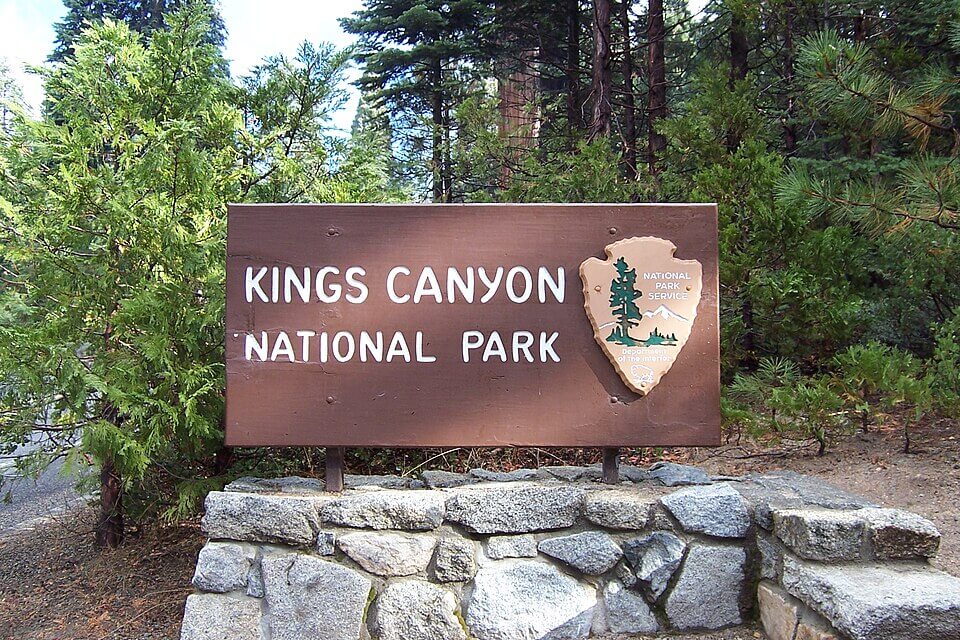
Ever heard of a canyon deeper than the Grand Canyon that barely gets a mention on most people’s bucket lists? That’s Kings Canyon for you, a park so overshadowed by its famous sequoia-filled neighbor that most travelers drive right past it without realizing what they’re missing. It’s a bit like the quieter sibling who turns out to be the most interesting person at the party once you actually talk to them.
Let’s take a closer look at why Kings Canyon National Park deserves a spot on your travel radar.
What Is Kings Canyon National Park?
Kings Canyon National Park sits in the southern Sierra Nevada of California, right next door to Sequoia National Park. In fact, the two parks are managed jointly by the National Park Service, sharing staff, resources, and a single entrance fee. But don’t let that fool you into thinking Kings Canyon is just an extension of Sequoia. It has its own dramatic landscape, defined by soaring granite walls, roaring rivers, and one of the deepest canyons in North America.
A Quick Snapshot of the Park
Established in 1940, Kings Canyon is the younger of the two parks. It spans over 460,000 acres, much of which is rugged, roadless wilderness accessible only on foot. Only a small portion of the park, around the canyon and Grant Grove, is reachable by car, which means most of this park remains wonderfully untouched.
The History Behind Kings Canyon National Park
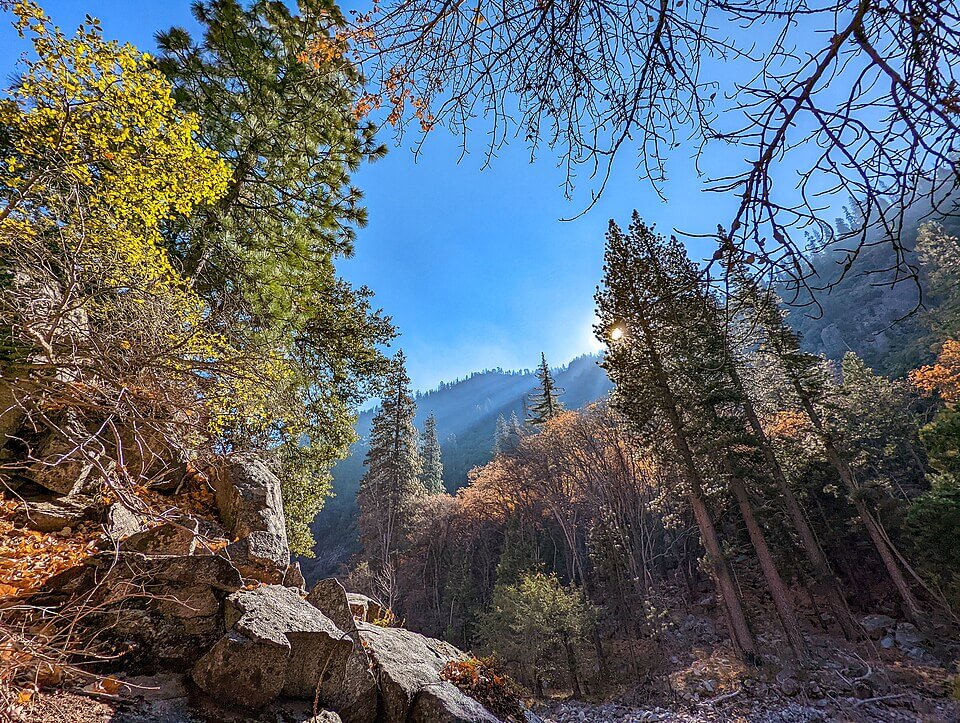
Like a lot of California’s wild places, Kings Canyon almost didn’t survive to become a national park at all. Its story is one of near loss, quiet determination, and a fight to keep nature’s grandeur intact.
From Logging Threat to Protected Land
In the early 20th century, this area was originally protected as General Grant National Park, established mainly to save a grove of giant sequoias from the saw. It wasn’t until 1940 that the surrounding canyon and wilderness were folded in, creating the Kings Canyon National Park we know today. Conservationists like John Muir had pushed for decades to protect this rugged landscape, arguing it deserved the same reverence as Yosemite.
The People Who Lived Here First
Before conservationists and loggers ever set foot here, the Monache and Yokuts peoples inhabited these mountains and foothills. They moved with the seasons, hunting and gathering across the terrain that would eventually become protected parkland. Their presence is a reminder that this “untouched wilderness” was actually someone’s home long before it became a park.
The Canyon Itself: Deeper Than the Grand Canyon?
Here’s a fun fact that tends to surprise people: at certain points, Kings Canyon plunges deeper than the Grand Canyon. Depth is one thing, but it’s the sheer verticality and lushness of this canyon that really sets it apart from its more famous Arizona counterpart.
How Kings Canyon Was Carved
Glaciers, not just rivers, are responsible for the canyon’s dramatic shape. Over thousands of years, massive ice sheets ground their way through the granite, leaving behind steep, U-shaped walls. The Kings River still flows through the canyon floor today, carrying on the erosive work its icy predecessors started.
Zumwalt Meadow and the Valley Floor
If you want to see the canyon’s beauty up close, Zumwalt Meadow is the place to go. This flat, grassy meadow sits surrounded by towering granite cliffs, offering one of the most peaceful and photogenic spots in the entire park. It’s the kind of place where you just want to sit for a while and let the scenery do the talking.
The Giant Sequoias of Kings Canyon
While Sequoia National Park gets most of the sequoia glory, Kings Canyon holds its own with some serious giant trees of its own.
General Grant Tree: The Nation’s Christmas Tree
Meet the General Grant Tree, the third-largest tree in the world by volume and officially designated the “Nation’s Christmas Tree” by President Calvin Coolidge in 1926. Every year, a special ceremony is held at its base, a tradition that’s been running since long before most of us were born.
Grant Grove vs. Redwood Mountain Grove
Grant Grove is the more accessible and popular sequoia grove, easy to reach by car and packed with short, family-friendly trails. Redwood Mountain Grove, on the other hand, is the largest remaining natural sequoia grove in the world, but it requires a longer hike to explore. If Grant Grove is the highlight reel, Redwood Mountain Grove is the director’s cut.
Top Things to Do in Kings Canyon National Park
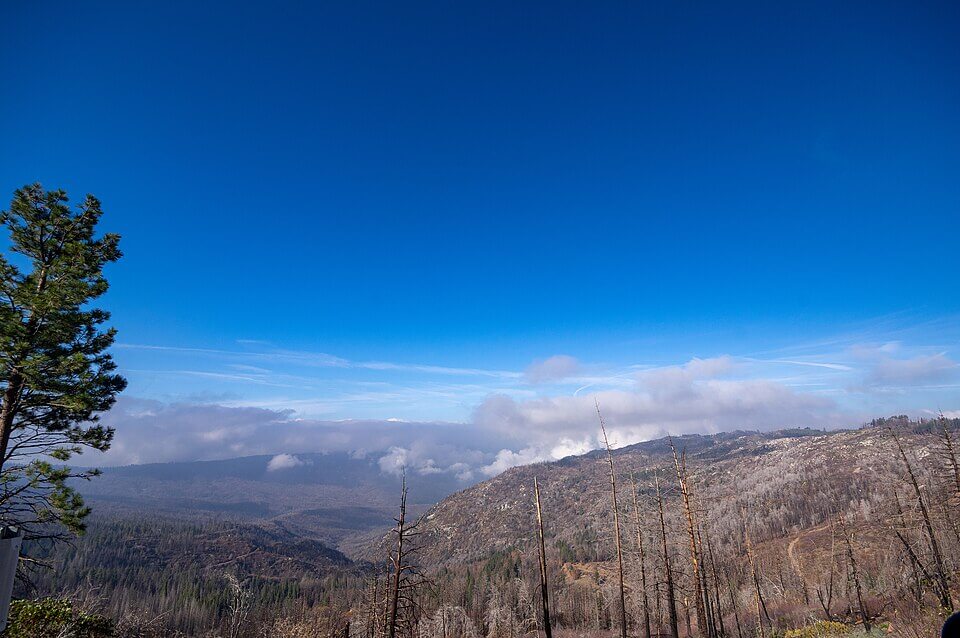
So, what should you actually do once you’re here? Plenty, especially if you don’t mind lacing up your hiking boots.
Hiking Trails for Every Skill Level
Kings Canyon offers trails ranging from easy meadow strolls to multi-day backcountry treks.
Mist Falls Trail
This moderate 8-mile round-trip hike leads you to one of the largest waterfalls in the park. The trail follows the Kings River, and the payoff at the end, a thundering waterfall crashing over granite, makes every step worth it.
Rae Lakes Loop
For serious backpackers, the Rae Lakes Loop is a legendary 40-plus mile trek through some of the most stunning alpine scenery in the Sierra Nevada. It’s not for the faint of heart, but it’s often ranked among the best backpacking trips in the entire country.
Scenic Byway Drive
If hiking isn’t your thing, the Kings Canyon Scenic Byway offers jaw-dropping views without ever leaving your car. Winding through the canyon, this drive takes you past towering cliffs and river views that feel almost too dramatic to be real.
Wildlife You Might Encounter
Kings Canyon is home to a wide range of wildlife, from black bears foraging in the forest to bighorn sheep navigating the park’s rocky high country. Mule deer are a common sight in meadows, while marmots often sun themselves on rocks along popular trails. Birdwatchers might spot peregrine falcons soaring above the canyon walls, using the updrafts like their own personal highway.
Best Time to Visit Kings Canyon National Park
Choosing the right season can shape your entire experience here.
Visiting in Summer vs. Winter
Summer is peak season, with warm weather and full access to the canyon road, which typically closes in winter due to snow. Winter transforms the higher elevations into a quiet, snow-covered landscape, perfect for those craving solitude over convenience. If you want waterfalls at full force, aim for late spring when snowmelt fuels the rivers.
Where to Stay Near the Park
Inside the park, options include campgrounds and the rustic John Muir Lodge near Grant Grove. For more amenities, the towns of Three Rivers and Fresno offer a wider range of hotels and restaurants within a reasonable drive of the park entrance.
Tips for Planning Your Trip
Before you head out, keep these tips handy:
- Fill up on gas before entering, services inside the park are limited.
- The canyon road closes seasonally, so check conditions ahead of time.
- Backcountry permits are required for overnight hikes like Rae Lakes Loop.
- Cell service is minimal to nonexistent, so download maps in advance.
- Pack bear-proof food storage if camping, black bears are active in the area.
Conclusion
Kings Canyon National Park proves that some of the best places don’t need a marketing campaign to be extraordinary. Between its glacier-carved canyon, ancient sequoia groves, and trails that range from a casual stroll to a multi-day epic, this park has a way of rewarding anyone willing to look past the more famous names nearby. So next time you’re planning a Sierra Nevada trip, don’t just drive past the sign. Pull over, take the detour, and let this quiet giant surprise you.
Frequently Asked Questions (FAQs)
1. Is Kings Canyon National Park the same as Sequoia National Park?
No, they’re separate parks, but they’re managed jointly by the National Park Service and share a single entrance fee.
2. How deep is Kings Canyon compared to the Grand Canyon?
At its deepest points, Kings Canyon exceeds 8,000 feet, making it deeper than the Grand Canyon in certain sections.
3. Do I need a permit to visit Kings Canyon National Park?
Day visits don’t require a permit, but overnight backcountry trips, like the Rae Lakes Loop, do require one.
4. Can I drive through the entire park?
No, only a small portion of the park is accessible by road. Most of Kings Canyon remains rugged wilderness reachable only on foot.
5. What’s the best time to see Mist Falls at its most powerful?
Late spring, typically May or June, when snowmelt is at its peak, offers the most dramatic waterfall flow.