
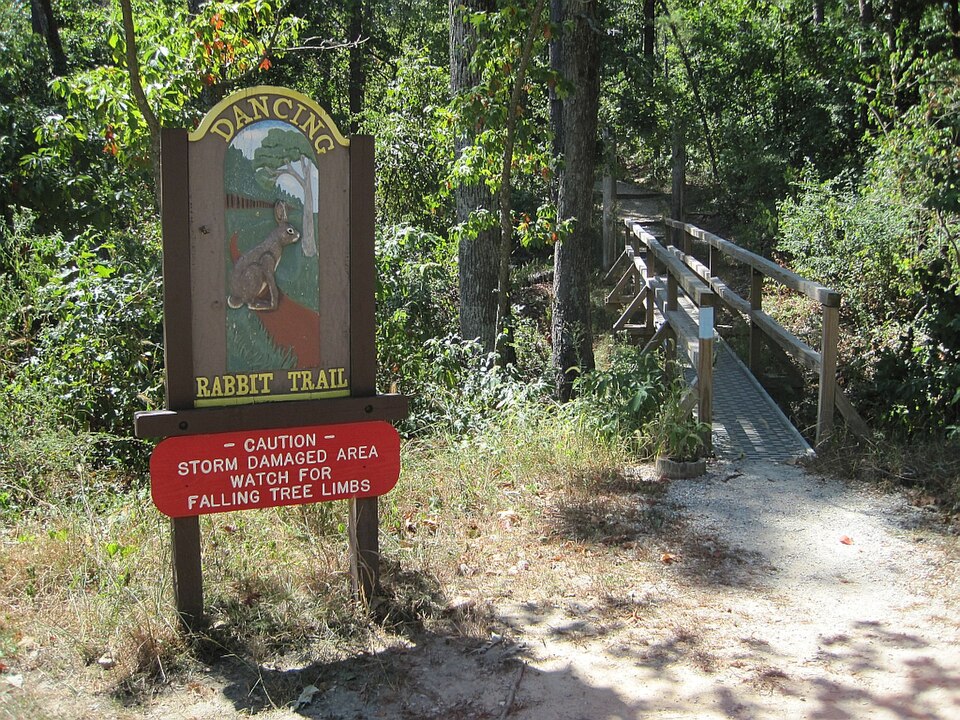
So you’re thinking about lacing up your boots and heading into the wild in Arkansas? Good call. Honestly, this state doesn’t get nearly enough credit. Everyone talks about the Rockies or the Appalachian Trail, but tucked away in the middle of the country is a hiking paradise that’s just… quietly incredible. Let’s dig in.
Why Arkansas Deserves a Spot on Every Hiker’s Bucket List
Here’s the thing about Arkansas — it’s called the “Natural State” for a reason. This isn’t marketing fluff. From craggy bluffs to hidden waterfalls, the terrain here feels like it was designed by someone who really loves a good plot twist. One minute you’re walking through dense hardwood forest, the next you’re standing on a rock ledge with a view that stretches for miles.
The Diversity of Landscapes You’ll Encounter
Think of Arkansas as a sampler platter of American wilderness. You’ve got the rugged Ozark Mountains in the north, the folded ridges of the Ouachitas in the west-central region, and the flat, swampy beauty of the Delta down south. That’s a lot of variety packed into one state, and it means no two hikes ever feel the same.
Best Hiking Trails in the Ozark Mountains
If mountains are your thing, the Ozarks won’t disappoint. These aren’t jagged, snow-capped peaks — they’re older, weathered, and honestly kind of moody in the best way.
Whitaker Point (Hawksbill Crag) Trail
This is the trail that ends up on every “most photographed spot in Arkansas” list, and for good reason. The out-and-back hike is only about three miles round trip, but the payoff is a dramatic rock outcropping that juts out over the valley like something out of a fantasy movie. Bring your camera. Seriously.
Lost Valley Trail
Don’t let the short 2.4-mile round trip fool you — this trail packs in caves, a natural bridge, and a waterfall that flows right out of a bluff. It’s like nature crammed a whole highlight reel into one afternoon hike. Great for families, but keep an eye on little ones near the cave sections.
Top Hiking Spots in the Ouachita Mountains
Heading south of the Arkansas River, the terrain shifts into the Ouachitas — one of the few mountain ranges in the U.S. that runs east-west instead of north-south. Weird geological trivia, but it makes for some genuinely unique ridge walking.
Eagle Rock Loop
This one’s for the hikers who want a real challenge. At roughly 26.8 miles, it’s often called the toughest backpacking loop in Arkansas, crossing the Little Missouri River multiple times.
What Makes Eagle Rock Loop Challenging
It’s not just the mileage. River crossings can be tricky after rain, elevation changes will test your legs, and cell service is basically nonexistent. Pack smart, tell someone your route, and don’t attempt this one solo unless you’re experienced.
Family-Friendly Trails Across Arkansas
Not every hike needs to be a survival test. If you’re bringing kids, grandparents, or just want a mellow afternoon, Arkansas has plenty of options.
Petit Jean State Park Trails
Petit Jean is basically Arkansas’s greatest hits album. It’s got scenic overlooks, historic CCC-built structures, and trails ranging from super easy to moderately challenging.
Cedar Falls Trail Highlights
This 2-mile trail leads to a 95-foot waterfall — one of the tallest in the state. It’s moderate in difficulty, but nothing that’ll leave you gasping. Go after a rainy stretch for maximum waterfall drama.
Waterfall Hikes You Shouldn’t Miss
Is there anything more satisfying than hiking for an hour and being rewarded with the sound of rushing water? Arkansas has waterfalls tucked into corners you’d never expect.
Richland Creek Wilderness Area
This spot has multiple waterfalls within a relatively small area, including the popular Twin Falls and Long Devil’s Fork Falls. It’s a bit more remote, so road conditions (especially the gravel access roads) can be rough. A high-clearance vehicle helps.
Essential Gear and Safety Tips for Arkansas Trails
Look, no one wants to be the person who shows up to a rocky bluff trail in flip-flops. Trust me, it happens more than you’d think.
Here’s a quick checklist:
- Sturdy hiking boots with ankle support
- At least 2 liters of water per person for longer hikes
- A paper map or offline GPS app (cell service is spotty in the backcountry)
- Bug spray — ticks and chiggers are no joke in the warmer months
- A basic first-aid kit
Weather Considerations by Season
Arkansas weather can flip on you fast. Summers get humid and hot, which makes early morning starts smart. Winters can bring surprise ice on bluff trails, so traction matters more than you’d expect for a “southern” state.
Best Times of Year to Hike in Arkansas
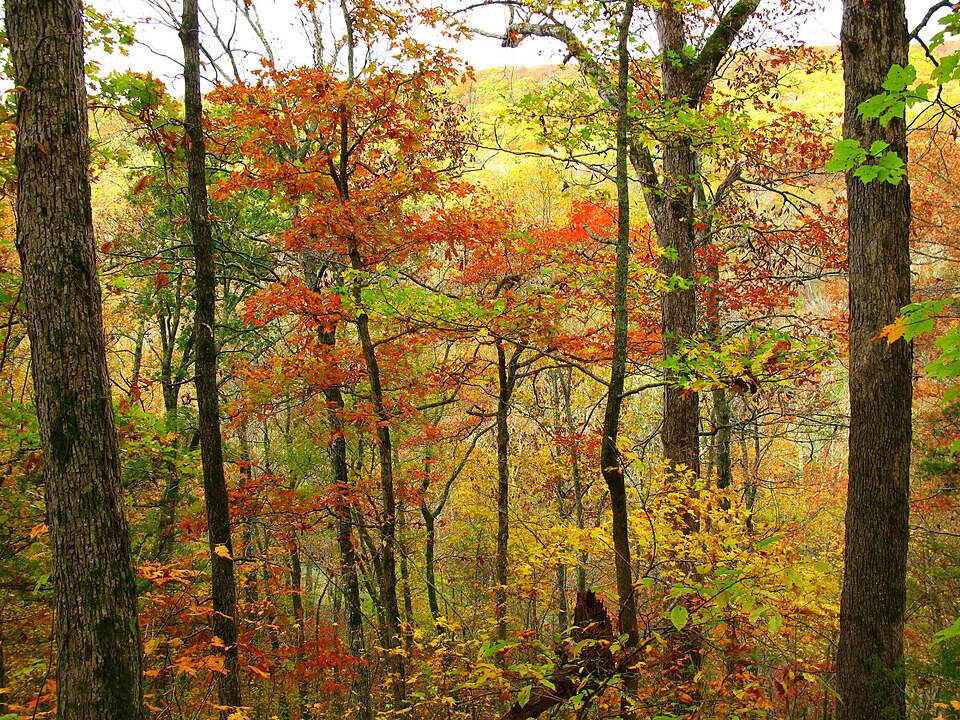
Spring and fall are the sweet spots. Spring brings wildflowers and full, roaring waterfalls thanks to snowmelt and rain. Fall gives you that crisp air and a canopy that explodes into reds and oranges, especially in the Ozarks. Summer works if you don’t mind sweating a little, and winter hiking is possible too — just dress in layers and watch for icy rock surfaces.
Conclusion
Arkansas hiking trails prove that you don’t need towering peaks or coastal views to find something breathtaking. Whether you’re chasing waterfalls in Richland Creek, testing your endurance on Eagle Rock Loop, or taking the kids to Lost Valley, there’s a trail here that fits your pace and your patience level. So pack your bag, check the weather, and go find out why the “Natural State” nickname isn’t just for show.
Frequently Asked Questions
1. What is the most beautiful hiking trail in Arkansas?
Many hikers point to Whitaker Point (Hawksbill Crag) as the most scenic, thanks to its dramatic cliffside views over the Ozark valley.
2. Are Arkansas hiking trails good for beginners?
Absolutely. Trails like Cedar Falls at Petit Jean State Park and Lost Valley are short, moderate, and well-suited for beginners or families.
3. What is the hardest hiking trail in Arkansas?
Eagle Rock Loop in the Ouachita Mountains is widely considered the toughest, due to its length, river crossings, and remote terrain.
4. When is the best time to hike in Arkansas?
Spring and fall offer the most comfortable temperatures and the best scenery, from blooming wildflowers to vibrant fall foliage.
5. Do I need a permit to hike in Arkansas state parks or national forests?
Most day hikes don’t require a permit, but overnight backcountry camping in certain wilderness areas may require registration. Always check with the specific park or forest office beforehand.