
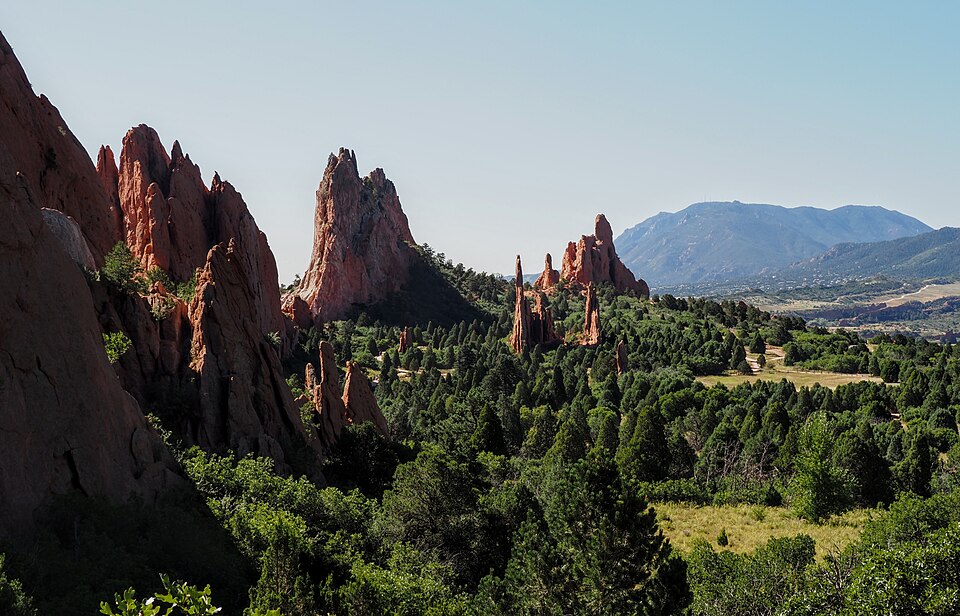
Ever stumbled onto a place so dramatic-looking that it feels like it should cost a fortune to visit, only to find out it’s completely free? That’s Garden of the Gods for you. Located just outside Colorado Springs, this park delivers towering red rock formations, sweeping mountain views, and genuinely otherworldly scenery, all without charging a single dollar at the gate.
Let’s dig into what makes this park one of Colorado’s most beloved natural attractions.
What Is Garden of the Gods?
Garden of the Gods is a public park featuring massive sandstone rock formations that seem to rise straight out of the earth, framed dramatically against the backdrop of Pikes Peak. Unlike many of Colorado’s other big attractions, it’s not a national park, it’s actually a city park, which means access is free and open year-round.
A Quick Snapshot of the Park
Covering roughly 1,300 acres, Garden of the Gods was officially dedicated as a public park in 1909, after being donated to the city of Colorado Springs by the family of Charles Elliott Perkins, a businessman who had once owned the land. Today, it draws millions of visitors annually, making it one of the most visited attractions in the entire state.
The History Behind Garden of the Gods
The story of this park blends geological wonder with a surprisingly generous act of public giving.
How the Park Got Its Name
Legend has it that in 1859, two surveyors exploring the area debated what the land should be used for. One suggested it would make a great beer garden, while the other reportedly replied that it was more fit to be a “garden of the gods.” The name stuck, and honestly, once you see the towering red spires in person, it’s easy to understand why.
The People Who Lived Here First
Long before surveyors arrived, various Native American tribes, including the Ute people, used this land for centuries, drawn by its natural water sources and dramatic terrain. Evidence suggests the area served as an important travel corridor and gathering place for indigenous peoples long before it became a public park.
The Geology Behind the Red Rocks
Part of what makes Garden of the Gods so visually striking is the sheer age and process behind its formation.
How These Formations Were Created
The park’s signature red sandstone formations were shaped over roughly 300 million years, formed from ancient sediment deposits that were later uplifted and tilted by the same geological forces that created the nearby Rocky Mountains. The vivid red color comes from iron oxide within the rock, essentially the same process that causes rust.
Balanced Rock and Other Iconic Formations
Among the park’s many formations, Balanced Rock stands out as a fan favorite, a massive boulder perched precariously atop a narrower base, looking as though it could topple over at any moment despite having stood in place for centuries. Other notable formations include the Kissing Camels and the Cathedral Spires, each offering its own unique silhouette against the Colorado sky.
Top Things to Do at Garden of the Gods
Whether you’re after an easy stroll or a serious climb, this park has options for nearly every type of visitor.
Hiking Trails for Every Skill Level
Garden of the Gods offers a solid network of trails, most of which are relatively short and accessible.
Perkins Central Garden Trail
This paved, mostly flat trail winds through the heart of the park, offering close-up views of the major rock formations. It’s wheelchair and stroller accessible, making it a great option for visitors of all ability levels.
Siamese Twins Trail
This slightly more moderate trail leads to a unique rock formation framing a stunning view of Pikes Peak in the distance, a favorite spot among photographers chasing that perfect sunrise shot.
Rock Climbing at Garden of the Gods
The park is a popular destination for rock climbers, offering routes across its sandstone formations for climbers of varying skill levels. A permit is required for climbing, and certain formations are off-limits to protect their structural integrity.
Wildlife You Might Encounter
Despite its rocky, arid appearance, Garden of the Gods supports a surprising variety of wildlife. Mule deer are commonly spotted grazing near trails, while bighorn sheep occasionally appear on rockier slopes. Birdwatchers might catch sight of white-throated swifts darting between rock crevices, along with the occasional golden eagle soaring overhead.
Best Time to Visit Garden of the Gods
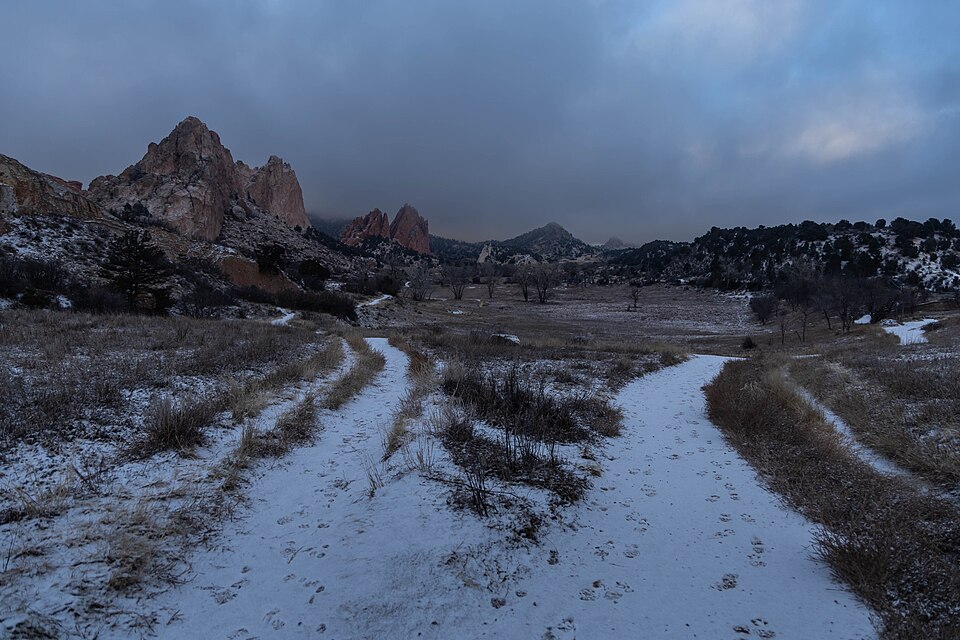
Because the park is open year-round, timing your visit mostly comes down to weather preferences and crowd levels.
Visiting in Summer vs. Winter
Summer brings warm temperatures and the busiest crowds, particularly during midday hours when tour buses tend to arrive. Winter offers a quieter experience, and a light dusting of snow against the red rocks creates a genuinely stunning contrast worth braving the cold for. Spring and fall provide a nice middle ground, with mild weather and slightly thinner crowds than peak summer.
Where to Stay Near the Park
Since Garden of the Gods sits right on the edge of Colorado Springs, visitors have easy access to a wide range of hotels, from budget-friendly chains to upscale resorts. The nearby Garden of the Gods Resort and Club offers direct views of the park itself, for those wanting to wake up right next to the formations.
Tips for Planning Your Trip
Before you head out, keep these tips in mind:
- Arrive early to beat both the crowds and the midday heat in summer.
- Parking fills up fast, so consider arriving before 9 a.m. on weekends.
- Wear sturdy shoes, some trails include uneven, rocky terrain.
- Visit the free visitor center for maps and geological exhibits before hiking.
- Bring a camera, sunrise and sunset offer the best lighting on the red rocks.
Conclusion
Garden of the Gods proves that some of the most breathtaking places don’t need an entrance fee to leave a lasting impression. Between its towering red rock formations, rich geological history, and stunning Pikes Peak backdrop, this park offers a genuinely world-class experience that just happens to be completely free. So next time you’re in Colorado Springs, don’t skip it, this garden was worth the wait, even if the gods took 300 million years to build it.
Frequently Asked Questions (FAQs)
1. Is Garden of the Gods really free to visit?
Yes, admission to the park itself is completely free, though parking and certain guided tours may have associated costs.
2. How long does it take to visit Garden of the Gods?
A couple of hours is enough to see the main highlights, though a full day allows for more thorough hiking and exploration.
3. Do I need a permit to rock climb at Garden of the Gods?
Yes, a free permit is required for climbing, and it can typically be obtained at the visitor center.
4. Is Garden of the Gods good for families with young kids?
Yes, the paved Perkins Central Garden Trail is accessible and easy for families, including strollers and wheelchairs.
5. What is the best time of day to photograph the rock formations?
Sunrise and sunset offer the most dramatic lighting, casting a warm glow across the red sandstone formations.