
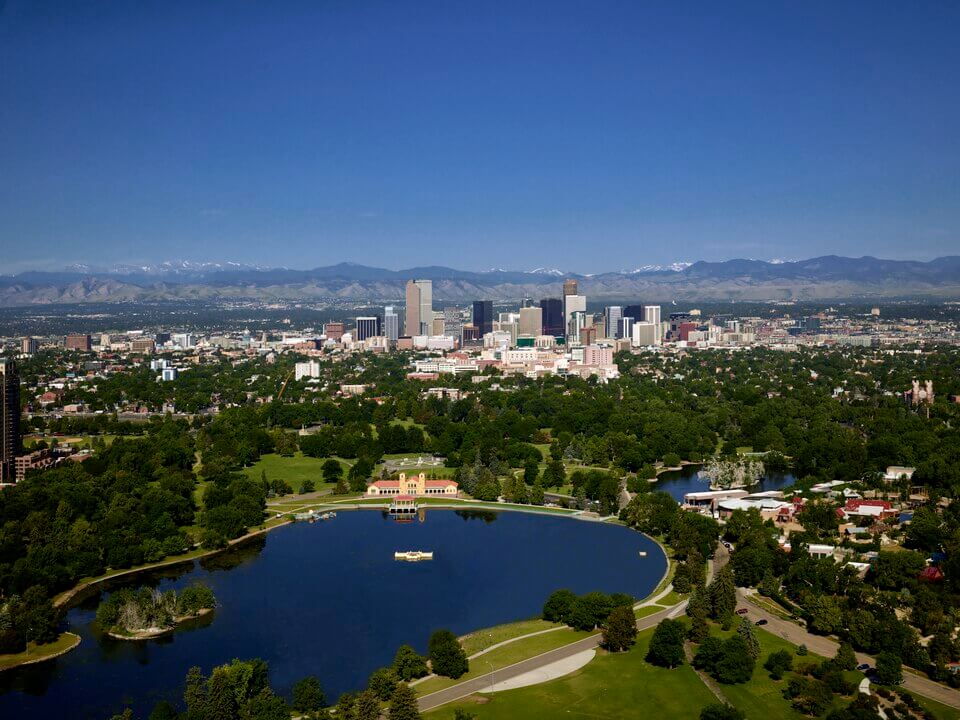
Ever visited a city that somehow makes you want to hike a mountain and grab a craft beer in the same afternoon? That’s Denver in a nutshell. Sitting exactly one mile above sea level, this city blends laid-back mountain-town energy with genuine big-city amenities, all wrapped up in a skyline that has the Rockies as its permanent backdrop.
Let’s dig into everything you need to know before planning your trip to the Mile High City.
Why Visit Denver?
Denver has quietly become one of the most popular destinations in the American West, and it’s not hard to see why. It offers easy access to world-class mountain adventures while still delivering solid food, art, and nightlife scenes that rival much bigger cities. It’s the rare place where you can genuinely have it both ways.
A Quick Snapshot of the City
Denver earned its famous nickname, the Mile High City, because its elevation sits at exactly 5,280 feet, one mile above sea level. It’s Colorado’s capital and largest city, with a metro population of nearly 3 million people, making it a genuine urban hub despite its mountain-town reputation.
The History Behind Denver
Denver’s story starts with a gold rush and somehow ends with breweries and mural-covered warehouses, which honestly feels pretty fitting for the city’s personality.
From Gold Rush Camp to Mile-High Metropolis
Denver was founded in 1858 following the discovery of gold along the South Platte River, sparking a rush of prospectors hoping to strike it rich. While the initial gold rush fizzled out relatively quickly, the city stuck around, evolving into a key transportation and trade hub. Over the following century, it grew steadily into the sprawling metropolitan area it is today.
Best Neighborhoods to Explore in Denver
Denver’s neighborhoods each bring their own personality, making it easy to tailor your visit around whatever vibe you’re chasing.
LoDo: Denver’s Historic Core
Short for Lower Downtown, LoDo is home to Denver’s oldest buildings, now filled with restaurants, breweries, and Coors Field, where the Colorado Rockies play. It’s a great starting point for first-time visitors wanting a mix of history and nightlife.
RiNo: Art, Murals, and Breweries
RiNo, short for River North Art District, has transformed from an industrial zone into one of Denver’s trendiest neighborhoods. Massive street murals cover nearly every building, making it a favorite for photographers and art lovers alike.
Capitol Hill: Victorian Charm Meets Nightlife
Just east of downtown, Capitol Hill offers a mix of well-preserved Victorian mansions and a lively bar scene. It’s a great neighborhood for those wanting a bit of local charm without straying too far from the city center.
Top Things to Do in Denver
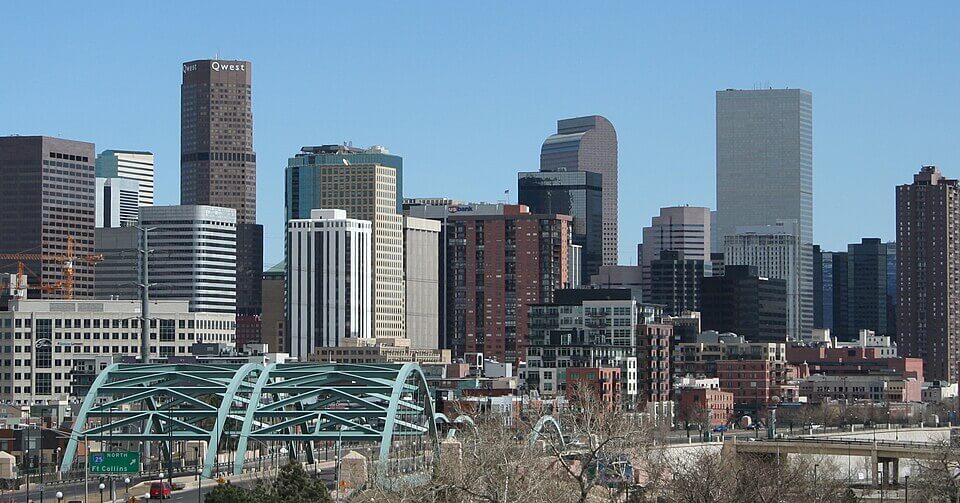
Once you’ve settled into a neighborhood, Denver offers plenty to fill your itinerary.
Must-See Attractions
Denver’s attraction list ranges from world-class museums to natural wonders just outside city limits.
Denver Art Museum
Known for its striking architecture as much as its collection, the Denver Art Museum houses one of the largest Native American art collections in the country, alongside an impressive range of contemporary works.
Red Rocks Park and Amphitheatre
Just a short drive from downtown, Red Rocks is a natural amphitheater carved into massive red sandstone formations. Even if you’re not catching a concert, the surrounding trails and views make it worth the trip on their own.
Day Trips From Denver
Denver’s location makes it an excellent home base for day trips into the mountains. Places like Rocky Mountain National Park, Boulder, and Georgetown are all within a couple hours’ drive, offering an easy way to mix city life with mountain scenery.
Denver’s Food and Drink Scene
Denver’s culinary reputation has grown significantly over the past decade, and its craft beer scene remains one of the biggest draws for visitors.
Craft Breweries Worth Exploring
Denver is home to dozens of breweries, ranging from small neighborhood taprooms to large, well-known names. A self-guided brewery crawl through RiNo or LoDo is one of the most popular ways locals and visitors alike spend an afternoon.
Local Food Worth Trying
Denver’s food scene leans heavily into hearty, mountain-town comfort food, alongside a growing number of upscale restaurants. Green chile, a Colorado staple, shows up on menus across the city, often smothering everything from burritos to burgers.
Outdoor Activities Near Denver
Even without leaving the metro area, Denver offers solid access to outdoor recreation. Cherry Creek State Park provides trails and water activities close to downtown, while the foothills just west of the city offer countless hiking options for those craving mountain views without a long drive.
Best Time to Visit Denver
Because of its unique climate, Denver’s ideal visiting season really depends on what you’re hoping to do.
Visiting in Summer vs. Winter
Summer brings warm, dry weather perfect for exploring the city and nearby hiking trails, though afternoon thunderstorms are common. Winter transforms Denver into a convenient base for ski trips, with several major resorts just a couple hours away, all while the city itself typically sees less snow than you’d expect. Spring and fall offer a nice middle ground, with mild weather and thinner crowds.
Getting Around Denver
Denver International Airport is one of the busiest in the country, offering excellent connectivity for travelers. Within the city, a mix of light rail, buses, and bike-share programs makes getting around fairly easy, though renting a car is still recommended for those planning day trips into the mountains.
Tips for Planning Your Trip
Before you head out, keep these tips in mind:
- Stay hydrated, the higher elevation and dry climate can catch visitors off guard.
- Pack layers, Denver’s weather can shift dramatically within a single day.
- Book Red Rocks concert tickets early, popular shows sell out fast.
- Use public transit downtown to avoid parking hassles in busy neighborhoods.
- Rent a car if you’re planning mountain day trips, since public transit doesn’t reach most trailheads.
Conclusion
Denver manages to pull off a genuinely rare balancing act, offering big-city energy with mountain-town accessibility, all wrapped up in a skyline that never lets you forget the Rockies are just a short drive away. Whether you’re brewery hopping through RiNo, catching a sunset show at Red Rocks, or using the city as a launchpad for a national park adventure, Denver rewards travelers looking for a bit of everything. So go ahead, book that flight. The Mile High City has been waiting.
Frequently Asked Questions (FAQs)
1. How many days do I need to visit Denver?
Two to three days is enough to cover the city’s highlights, though adding extra days allows for day trips into the surrounding mountains.
2. Is Denver a walkable city?
Downtown Denver and neighborhoods like LoDo and RiNo are quite walkable, though a car or public transit is helpful for reaching outlying areas.
3. Does Denver get a lot of snow in winter?
Surprisingly, Denver itself receives less snow than nearby mountain towns, though sudden snowstorms can still occur throughout winter.
4. Is Denver a good base for visiting Rocky Mountain National Park?
Yes, the park is roughly a two-hour drive from Denver, making it a popular day trip for visitors staying in the city.
5. What is Denver best known for?
Denver is best known for its craft beer scene, easy access to the Rocky Mountains, and its unique mile-high elevation.