
Ever heard of a national park that used to be a volcano, then got ripped in half by an earthquake fault, and somehow ended up being one of the best places in the country to spot a California condor? That’s Pinnacles National Park in a nutshell, and honestly, it might be one of the strangest, coolest origin stories of any park in the National Park System.
Let’s break down why this jagged, rocky landscape in central California deserves a spot on your travel list.
What Is Pinnacles National Park?
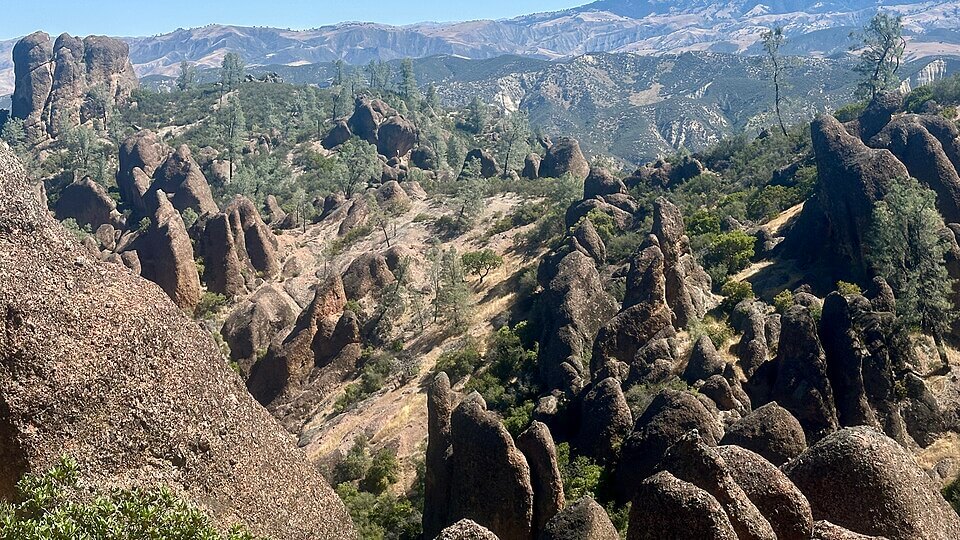
Pinnacles National Park is a relatively small but geologically fascinating park located in central California, about two hours south of San Jose. It’s known for its towering rock spires, extensive talus caves, and a landscape that looks like it belongs on another planet. Despite its modest size, it packs a surprising punch when it comes to hiking, climbing, and wildlife watching.
A Quick Snapshot of the Park
Originally protected as a national monument in 1908, Pinnacles was upgraded to full national park status in 2013, making it one of the newer additions to the National Park System. It covers just over 26,000 acres, which is small compared to giants like Yosemite, but every acre here seems to have a story behind it.
The History Behind Pinnacles National Park
Understanding how Pinnacles became a national park means going back millions of years, long before humans ever set foot on this rocky terrain.
From Ancient Volcano to National Park
The rock formations that define Pinnacles today were originally born from a volcano that erupted around 23 million years ago. Over millions of years, tectonic movement along the San Andreas Fault gradually split the volcanic field, carrying half of it roughly 195 miles northwest from its original location. What remains today is essentially half of an ancient volcano, eroded and sculpted into the dramatic spires visitors see now.
The People Who Lived Here First
Before it became a protected landscape, the Chalon and Mutsun peoples lived in and around this region for thousands of years. They relied on the area’s natural resources, including acorns from nearby oak woodlands, and developed a deep understanding of the terrain long before it was ever mapped by outsiders.
The Volcanic Origins of the Pinnacles
Few parks have a backstory as wild as this one, quite literally shaped by tectonic plates pulling a volcano apart over millions of years.
A Volcano That Split in Two
Here’s the wild part: geologists have identified the other half of this same volcanic field near Lancaster, California, hundreds of miles away. Imagine a puzzle piece slowly sliding apart over millions of years, and you’ll start to understand just how dramatic California’s tectonic history really is.
The Talus Caves: Nature’s Underground Maze
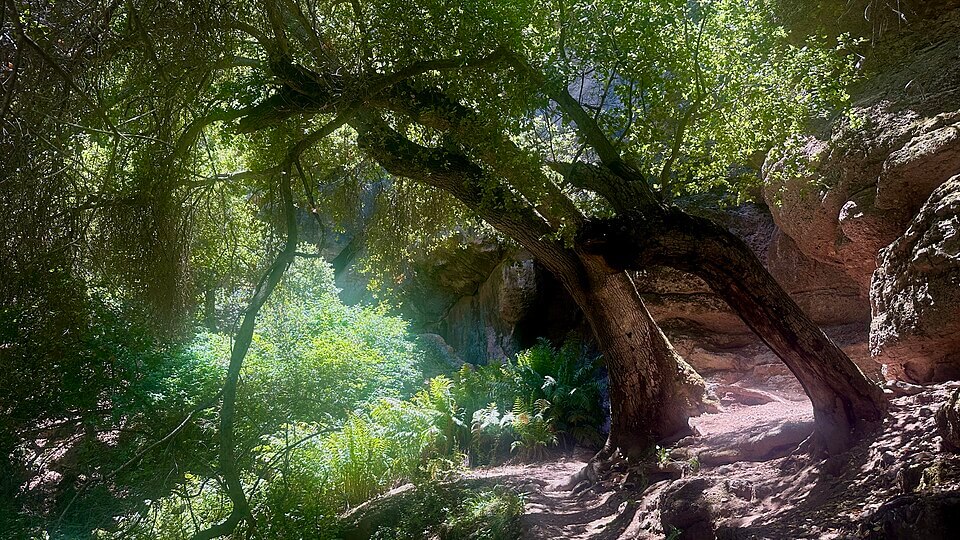
Unlike traditional caves formed by water erosion, the talus caves at Pinnacles were created when massive boulders fell into narrow canyons, wedging together to form cave-like passageways. Walking through Bear Gulch or Balconies Cave feels like squeezing through a giant’s game of Jenga, one that’s been frozen in place for thousands of years.
Top Things to Do in Pinnacles National Park
Once you’re past the geology lesson, it’s time to actually explore this rocky wonderland.
Hiking Trails for Every Skill Level
Pinnacles offers a solid mix of trails, from easy cave walks to strenuous ridge climbs.
High Peaks Trail
This challenging trail takes hikers through narrow rock passages and steep, carved steps, offering some of the best panoramic views in the park. It’s not for those afraid of heights, but the payoff is a landscape that feels like walking through a rocky fortress in the sky.
Bear Gulch Cave Trail
A more moderate option, this trail winds through the Bear Gulch talus caves, home to a colony of Townsend’s big-eared bats. Seasonal closures protect the bats during breeding season, so it’s worth checking ahead before planning your visit.
Rock Climbing at Pinnacles
Thanks to its unique volcanic rock formations, Pinnacles has become a popular destination for rock climbers. The rock here is notably different from granite found in places like Yosemite, offering routes that range from beginner-friendly to seriously technical.
Wildlife You Might Encounter
Pinnacles is home to an impressive variety of wildlife, but one resident stands out above the rest, literally.
The California Condor Comeback
Pinnacles plays a major role in the ongoing recovery of the California condor, one of the rarest birds in North America. With wingspans reaching nearly 10 feet, spotting one soaring overhead is an unforgettable experience. Beyond condors, the park is also home to golden eagles, prairie falcons, bobcats, and a healthy population of bats living in its talus caves.
Best Time to Visit Pinnacles National Park
Because of its location in California’s interior, timing your visit here really does matter.
Visiting in Spring vs. Summer
Spring is widely considered the best time to visit, with wildflowers blooming and comfortable temperatures perfect for hiking. Summer, on the other hand, can bring scorching heat, often exceeding 100 degrees Fahrenheit, making midday hikes genuinely risky without proper preparation. If you’re set on a summer visit, early morning hikes are the way to go.
Where to Stay Near the Park
Inside the park, a campground on the east side offers tent and RV camping along with a small pool, a nice bonus after a hot day of hiking. Nearby towns like Soledad and Hollister provide additional lodging options for those who prefer a bed over a sleeping bag.
Tips for Planning Your Trip
Before you head out, keep these tips in mind:
- Bring plenty of water, shade is limited and summer heat can be intense.
- Check cave closures in advance, as they’re seasonally restricted to protect bats.
- Start hikes early, especially in summer, to avoid the worst of the heat.
- The park has two entrances, east and west, that aren’t connected by road, so plan accordingly.
- Keep an eye on the sky, condor sightings are more common than you’d think.
Conclusion
Pinnacles National Park might not have the household-name recognition of Yosemite or Sequoia, but it more than makes up for it with a genuinely wild backstory and a landscape unlike anywhere else in California. Where else can you hike through the remains of a split volcano, squeeze through boulder-formed caves, and spot one of the rarest birds on the planet, all in a single afternoon? So if you’re looking for a park that rewards curiosity over crowds, Pinnacles is calling. Go answer it.
Frequently Asked Questions (FAQs)
1. When did Pinnacles become a national park?
Pinnacles was upgraded from a national monument to a full national park in 2013, making it one of the newest parks in the system.
2. Are the talus caves safe to hike through?
Yes, though a flashlight is recommended, and certain sections close seasonally to protect resident bat colonies.
3. Is Pinnacles National Park good for rock climbing beginners?
Yes, the park offers routes suitable for beginners as well as more technical climbs for experienced climbers.
4. Can I see California condors year-round at Pinnacles?
Condors can be spotted year-round, though sightings aren’t guaranteed since they roam across a wide territory.
5. Are the east and west entrances of the park connected by road?
No, the two entrances aren’t connected by any road within the park, so visitors must plan their route accordingly.