
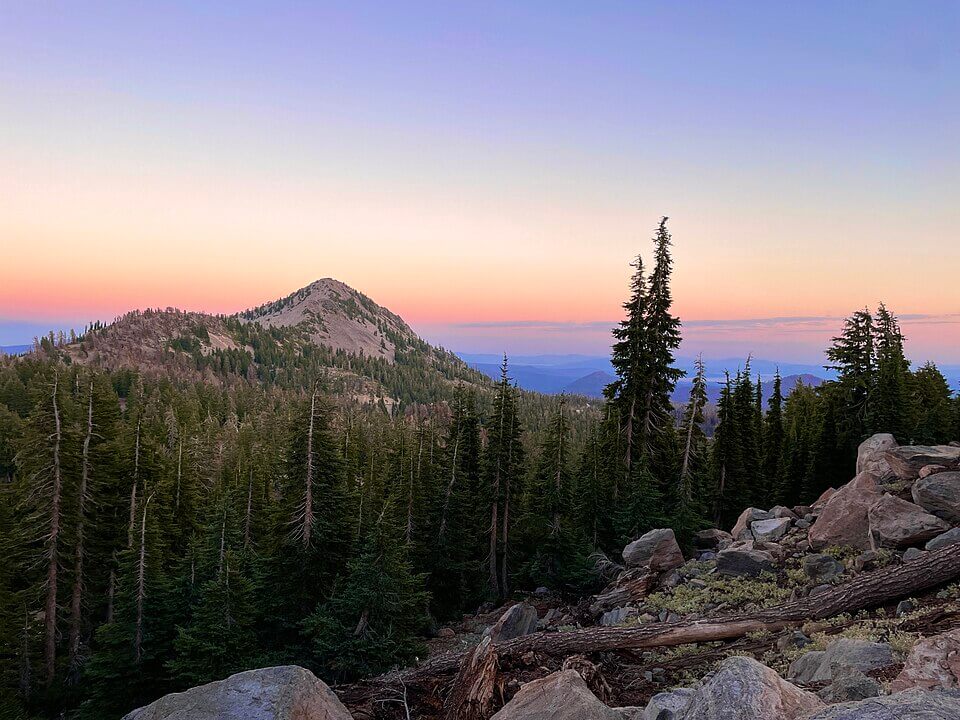
Ever wonder what it looks like when the earth itself starts bubbling, hissing, and steaming right in front of you? That’s a regular Tuesday at Lassen Volcanic National Park. Tucked away in Northern California, this park often gets overlooked in favor of its flashier cousins like Yosemite, but honestly, it might be one of the most underrated destinations in the entire state. Where else can you watch mud pots boil and hike up an actual volcano in the same afternoon?
Let’s dig into why this smoking, steaming corner of California deserves way more attention than it gets.
What Is Lassen Volcanic National Park?
Lassen Volcanic National Park is one of the few places on Earth where you can see all four major types of volcanoes within a single park. It’s a landscape shaped almost entirely by fire, from ancient eruptions to still-active hydrothermal features that bubble away just beneath the surface. If you’ve ever wanted proof that the ground beneath your feet is more alive than it looks, this is the place.
A Quick Snapshot of the Park
Established in 1916, Lassen Volcanic National Park covers roughly 106,000 acres. It sits at the southernmost tip of the Cascade Range, the same volcanic chain that includes Mount St. Helens and Mount Rainier. Despite its relatively compact size compared to parks like Yellowstone, Lassen packs an impressive amount of geological drama into its borders.
The History Behind Lassen Volcanic National Park
This park’s story is really the story of a volcano that decided to wake up right as the modern conservation movement was taking shape.
The 1915 Eruption That Made History
In May 1915, Lassen Peak erupted with a force that sent a massive plume of ash and steam nearly seven miles into the sky. It was the largest volcanic eruption in the contiguous United States in the 20th century until Mount St. Helens blew in 1980. The eruption devastated the surrounding landscape, but it also captured national attention, helping fuel the push to protect the area. Just one year later, President Woodrow Wilson signed legislation establishing it as a national park.
The People Who Lived Here First
Long before eruptions and park designations, the Atsugewi, Yana, Yahi, and Maidu peoples lived in and around this volcanic region. They developed deep knowledge of the land, including its geothermal features, long before scientists arrived with instruments and notebooks. Their history remains an important, if often under-told, part of the park’s story.
The Four Types of Volcanoes in One Park
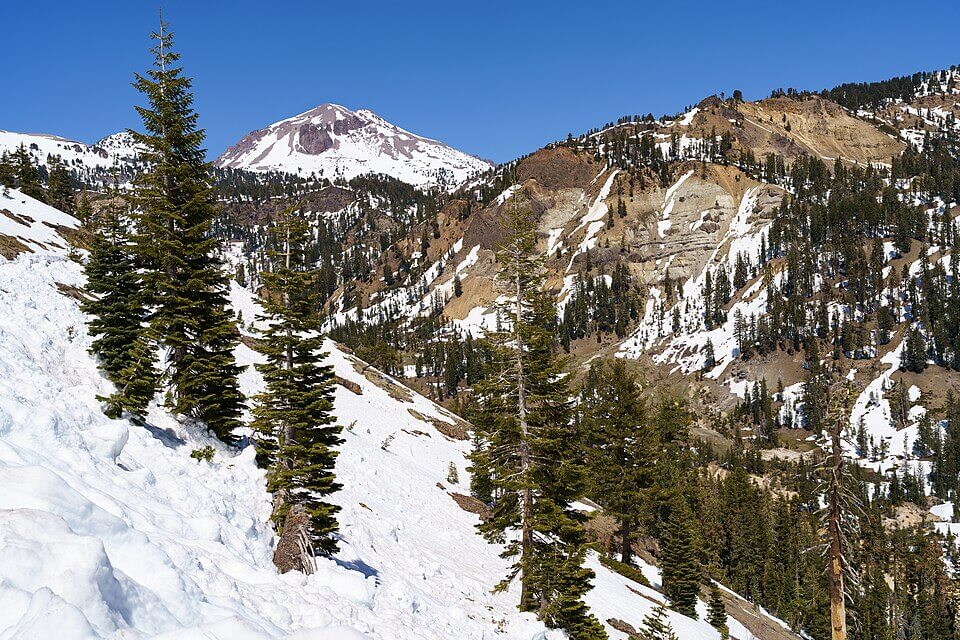
Here’s something that makes geology nerds especially giddy: Lassen is home to all four major volcano types found on Earth, shield, composite, cinder cone, and plug dome volcanoes, all within one relatively small park.
Lassen Peak: The Star of the Show
Lassen Peak itself is the largest plug dome volcano in the world, standing at 10,457 feet. It’s considered active, though it’s been quiet since its last eruption cycle ended in 1917. Still, “dormant” doesn’t mean “harmless,” it just means it’s taking a really, really long nap.
Why This Park Is a Geologist’s Dream
Because of its unique mix of volcano types and ongoing hydrothermal activity, Lassen serves as a living laboratory for understanding volcanic processes. Scientists use the park to study everything from magma movement to how ecosystems recover after a major eruption. It’s basically nature’s own geology classroom, minus the pop quizzes.
Top Things to Do in Lassen Volcanic National Park
Once you’ve wrapped your head around the volcanic backstory, it’s time to actually explore it firsthand.
Hiking Trails for Every Skill Level
Lassen offers trails ranging from easy boardwalks to a proper summit climb.
Bumpass Hell Trail
This moderate 3-mile round-trip trail leads to the park’s largest hydrothermal area, complete with boiling pools, steam vents, and bubbling mud pots. Boardwalks keep you safely above the action, which is a good thing, since the ground temperature here can exceed 300 degrees Fahrenheit in spots.
Lassen Peak Trail
For those craving a real challenge, the Lassen Peak Trail climbs about 2,000 feet over 5 miles round trip, leading hikers straight to the volcano’s summit. The view from the top stretches across the entire park, and standing on the rim of an active volcano is about as bragging-rights-worthy as hiking gets.
Exploring the Hydrothermal Areas
Beyond Bumpass Hell, areas like Sulphur Works and Devils Kitchen offer more accessible glimpses into the park’s bubbling underworld. The smell of sulfur might not be pleasant, but the sight of steam rising from the earth definitely makes up for it.
Wildlife You Might Encounter
Despite its fiery reputation, Lassen supports a surprising amount of wildlife. Black bears roam the forested areas, while mule deer are commonly spotted grazing near meadows and lake edges. Birdwatchers might catch sight of ospreys diving for fish in Manzanita Lake, and if you’re patient, you could spot a pine marten darting through the underbrush.
Best Time to Visit Lassen Volcanic National Par
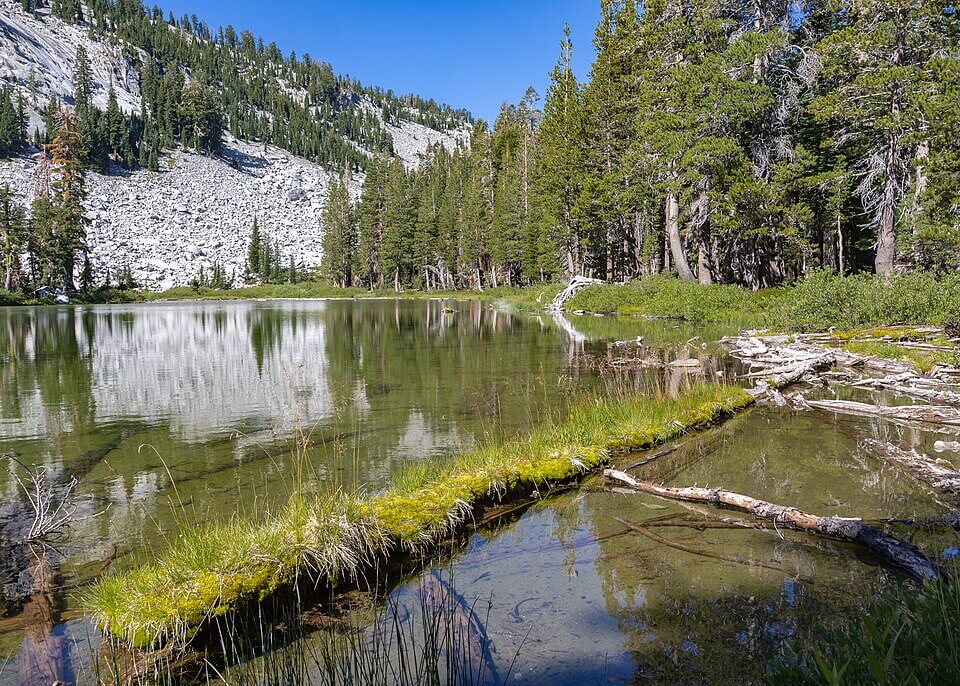
Because of its high elevation, timing your visit here matters more than you might expect.
Visiting in Summer vs. Winter
Summer, particularly July through September, is when most trails and the main park road are fully accessible, making it the easiest time to explore. Winter transforms Lassen into a snowy retreat, with heavy snowfall often closing the main road but opening up excellent opportunities for snowshoeing and cross-country skiing. Just don’t expect to summit Lassen Peak in January unless you’re seriously experienced with winter mountaineering.
Where to Stay Near the Park
Inside the park, Manzanita Lake Camping Cabins offer a simple, scenic place to stay right near the water. Several campgrounds are also scattered throughout the park for those who prefer sleeping under the stars. Nearby towns like Mineral and Chester provide additional lodging options within a short drive of the park entrances.
Tips for Planning Your Trip
Before hitting the road, keep these tips in mind:
- Check road conditions, since snow can close sections well into early summer.
- Stick to marked trails and boardwalks near hydrothermal areas, the ground can be dangerously hot.
- Bring layers, temperatures can swing dramatically at higher elevations.
- Start hikes early to avoid afternoon thunderstorms, common in summer.
- Fill up on gas before entering, services inside the park are limited.
Conclusion
Lassen Volcanic National Park proves that you don’t need to be world-famous to be world-class. Between its bubbling mud pots, dormant volcano summit, and a landscape still recovering from a major eruption just over a century ago, this park offers a front-row seat to the raw power of the earth. So the next time you’re mapping out a California road trip, don’t just breeze past this one. Pull in, take a hike, and let this quietly powerful park remind you just how alive the ground beneath your feet really is.
Frequently Asked Questions (FAQs)
1. Is Lassen Volcanic National Park still active?
Yes, Lassen Peak is considered an active volcano, though it hasn’t erupted since 1917. The park’s hydrothermal features remain active today.
2. How long does it take to hike Lassen Peak?
Most hikers complete the round-trip summit hike in about 4 to 5 hours, depending on fitness level and weather conditions.
3. Is Bumpass Hell safe to visit?
Yes, as long as you stay on the designated boardwalks. The ground temperature off-trail can be dangerously hot due to underlying geothermal activity.
4. When does the main park road usually open?
The main road typically opens fully by late June or July, though this varies year to year depending on snowfall levels.
5. Can I visit Lassen Volcanic National Park in one day?
Yes, a single day allows you to see highlights like Bumpass Hell and Manzanita Lake, though multiple days are better for tackling Lassen Peak.