
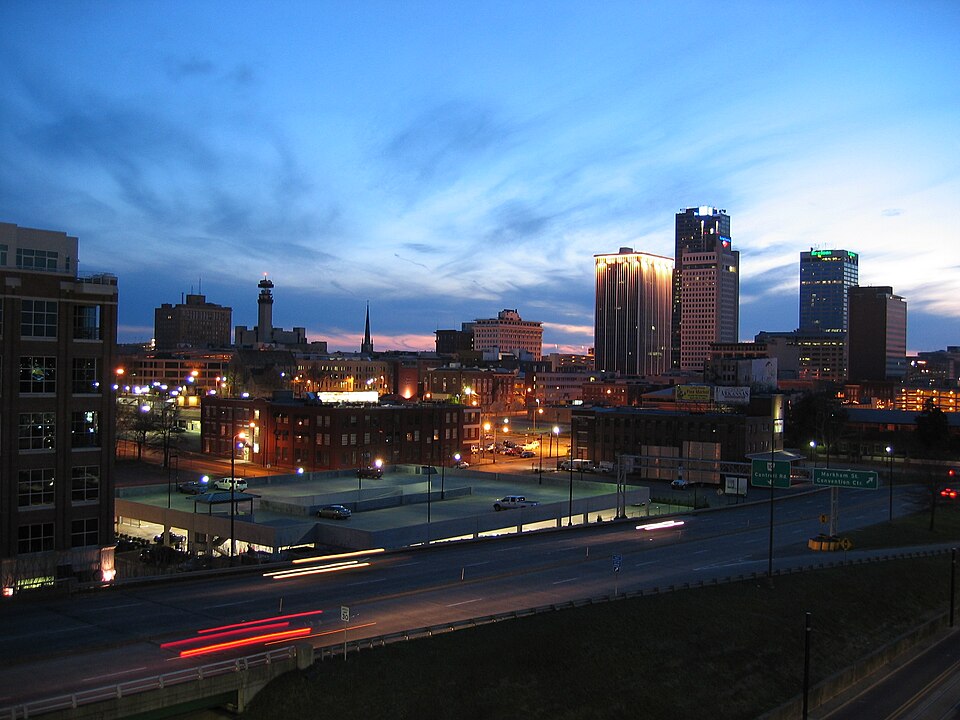
Ever feel like you’ve seen every “top destination” list a hundred times over? Same beaches, same mountains, same overcrowded national parks. Well, here’s a curveball for you: Southwest Arkansas. Never heard of it? That’s exactly the point. This corner of the Natural State is quietly sitting on diamond mines, hot springs, and small-town charm that most travelers completely overlook. And honestly, that’s part of its magic — it’s a place you can still explore without fighting through crowds for a parking spot.
So buckle up, because we’re about to take a deep dive into why this underrated region deserves a spot on your travel radar.
📌 Also Read: Ouachita Mountains Guide: Hidden Gem of Arkansas & Oklahoma
What Exactly Is Southwest Arkansas?
Let’s get our bearings first. Southwest Arkansas refers to the cluster of counties tucked into the lower-left corner of the state, bordering both Texas and Louisiana. Think of it as the meeting point where the Ozarks’ rugged charm softens into the piney woods of the South. It’s not one single city or attraction — it’s a whole patchwork of small towns, lakes, forests, and yes, an actual diamond field (more on that gem of a fact later).
If Arkansas were a quilt, this region would be the patch stitched together with pine trees, fishing lines, and old Southern hospitality.
A Quick Look at the Region’s History
You can’t really appreciate a place until you know where it’s been, right? Southwest Arkansas has a backstory that’s equal parts fascinating and underappreciated.
Native American Roots
Long before settlers showed up, the Caddo people called this land home. They weren’t just passing through — they built thriving communities, farmed the fertile river bottoms, and left behind a cultural footprint that historians and archaeologists still study today. Mounds and artifacts scattered throughout the region serve as quiet reminders of just how deep this history runs.
The Diamond Rush of Murfreesboro
Here’s where things get wild. In 1906, a farmer named John Huddleston found diamonds — actual diamonds — on his land near Murfreesboro. Word spread like wildfire, and suddenly this sleepy farming community became ground zero for America’s only diamond rush. Spoiler: it’s still the only place in the U.S. where you can dig for real diamonds and keep whatever you find. Wild, right?
Top Cities and Towns Worth Visiting
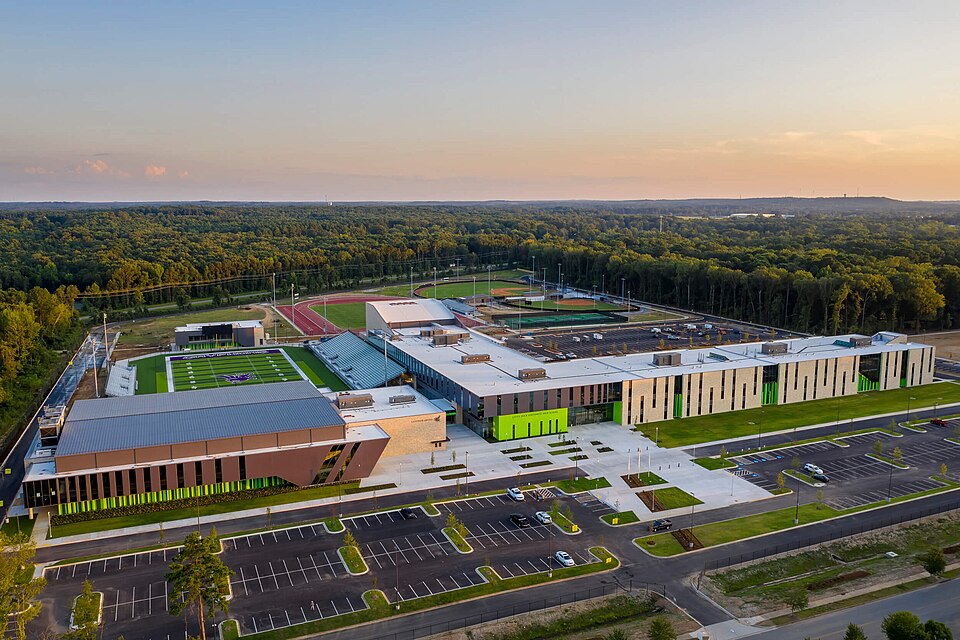
Now let’s talk geography. Southwest Arkansas isn’t a single destination — it’s a collection of towns, each with its own personality.
Hot Springs: The Spa Capital
Okay, technically Hot Springs sits on the edge of the region, but it’s too good to skip. Known for its naturally heated mineral springs, this town has been a wellness destination since the 1800s. Bathhouse Row alone is worth the trip — picture historic buildings, steamy thermal water, and a slower pace of life that makes you forget your phone even has notifications.
Texarkana: The Twin-State City
Here’s a fun party trick: stand in the right spot in Texarkana, and you’ve got one foot in Arkansas and the other in Texas. Literally. The state line runs straight through downtown, marked by a post office that sits in both states simultaneously. Beyond the novelty, Texarkana offers solid dining, local museums, and a friendly small-city vibe.
Murfreesboro: Where Diamonds Are Forever
We already teased this one, but Murfreesboro deserves its own spotlight. It’s small — population just over 1,500 — but it punches way above its weight in terms of tourist appeal, thanks entirely to that diamond field.
Outdoor Adventures You Can’t Miss
If you’re the type who’d rather be outside than scrolling indoors, Southwest Arkansas has plenty to keep you busy.
📌 Also Read: Central Arkansas: The Hidden Heartbeat of the Natural State
Crater of Diamonds State Park
This is the crown jewel (pun absolutely intended) of the region. You pay a small fee, grab a shovel, and start digging in a 37-acre plowed field that’s literally an eroded volcanic crater. People find diamonds here every single week. It’s like a treasure hunt where the treasure is real and the only competition is your own patience.
Lake Greeson and Water Activities
Need to cool off after all that digging? Lake Greeson has you covered. With clear water and a backdrop of the Ouachita Mountains, it’s perfect for boating, fishing, or just floating around without a single care in the world. Bass fishing here is particularly popular, drawing anglers from across the state.
Hiking Trails Worth Your Boots
The Ouachita National Forest stretches into this region, offering trails that range from “casual Sunday stroll” to “I definitely should’ve trained for this.” Whichever you choose, the payoff is the same: dense forest canopies, quiet creeks, and views that make you put your phone away without anyone telling you to.
Local Food and Southern Comfort
You haven’t really experienced a place until you’ve eaten your way through it, and Southwest Arkansas does Southern comfort food right.
Must-Try Regional Dishes
We’re talking fried catfish pulled fresh from local lakes, smoked barbecue that falls apart with a fork, and biscuits so buttery they should come with a warning label. Don’t skip the fried pies either — a regional dessert staple that’s basically a hand-held slice of nostalgia.
Festivals and Events Throughout the Year
Small towns know how to throw a good party, and this region is no exception. From diamond-themed festivals in Murfreesboro to local fairs celebrating everything from watermelons to fiddle music, there’s almost always something happening. These events aren’t flashy, big-city productions — they’re community gatherings where everyone genuinely seems to know everyone else, and visitors get welcomed in like old friends.
Where to Stay: Lodging Options
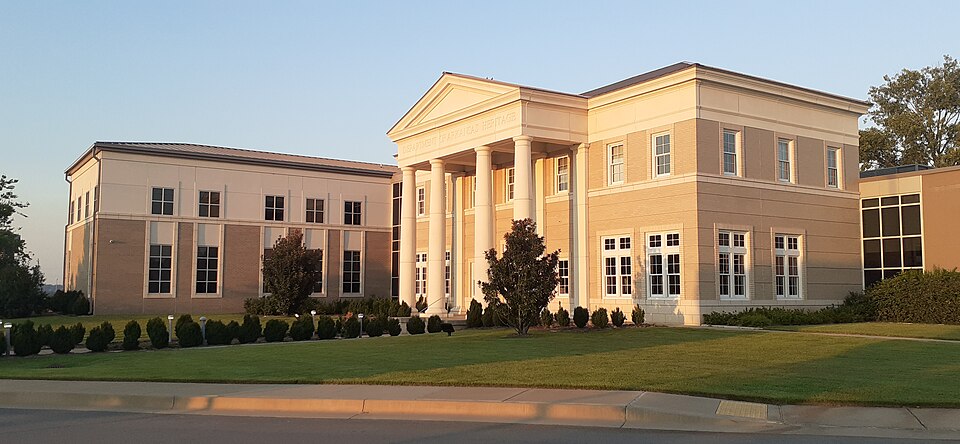
Accommodations here range from cozy bed-and-breakfasts to lakeside cabins and budget-friendly motels. If you want a true taste of the area, skip the chain hotels and book a cabin near Lake Greeson — waking up to mountain views and morning mist over the water is an experience no hotel room can replicate.
Tips for Planning Your Trip
A little planning goes a long way, especially in a region where some attractions are seasonal or weather-dependent.
Best Time to Visit
Spring and fall are your sweet spots. Summers get hot and humid (we’re talking Southern-summer humid), while winters can be unpredictable. Aim for April-May or September-October for the best balance of comfortable weather and fewer crowds.
Getting Around the Region
Public transportation is basically nonexistent out here, so renting a car is your best bet. The towns are spread out, and half the charm is the drive itself — winding roads through forested hills with the occasional roadside stand selling fresh peaches or boiled peanuts.
Conclusion
Southwest Arkansas might not scream for attention like flashier destinations, but that’s exactly its charm. It’s the kind of place that rewards curiosity — where digging in the dirt might actually make you rich, where small towns still feel like communities, and where nature isn’t packaged up for Instagram but just exists, wild and unbothered. Whether you’re chasing diamonds, lakeside relaxation, or just a slower pace of life, this region delivers without the crowds or the price tag of more popular spots. Sometimes the best trips are the ones nobody else is talking about yet.
Frequently Asked Questions
1. Can you really keep the diamonds you find at Crater of Diamonds State Park?
Yes! Whatever you dig up is yours to keep, no matter the size or value.
2. Is Southwest Arkansas family-friendly?
Absolutely. Diamond digging, lake activities, and easy hiking trails make it great for all ages.
3. How far is Southwest Arkansas from major cities like Dallas or Little Rock?
It’s roughly a 2-3 hour drive from both Dallas, Texas, and Little Rock, Arkansas, making it an easy weekend trip.
4. Do I need special equipment to dig for diamonds?
Basic tools like shovels and screens work fine, and you can rent equipment on-site if you don’t want to bring your own.
5. What’s the best month to visit for pleasant weather?
October tends to be a favorite — cooler temperatures, fall colors, and lower humidity make outdoor activities much more enjoyable.