
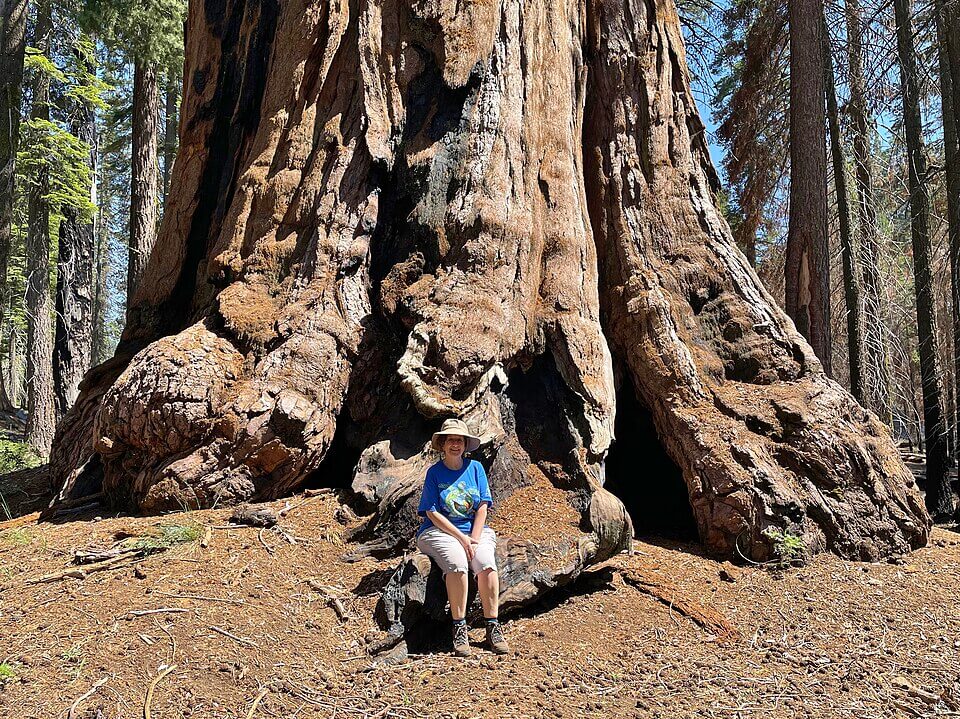
Have you ever stood next to something so big it made you feel like an ant? That’s exactly what happens the moment you step into Sequoia National Park. Tucked away in the southern Sierra Nevada mountains of California, this park is home to trees so massive they seem to belong in a fairy tale rather than real life. If you’ve ever wanted to feel genuinely small in the best possible way, this is the place to do it.
Let’s dig into everything that makes Sequoia National Park one of the most jaw-dropping destinations in the United States.
What Makes Sequoia National Park So Special?
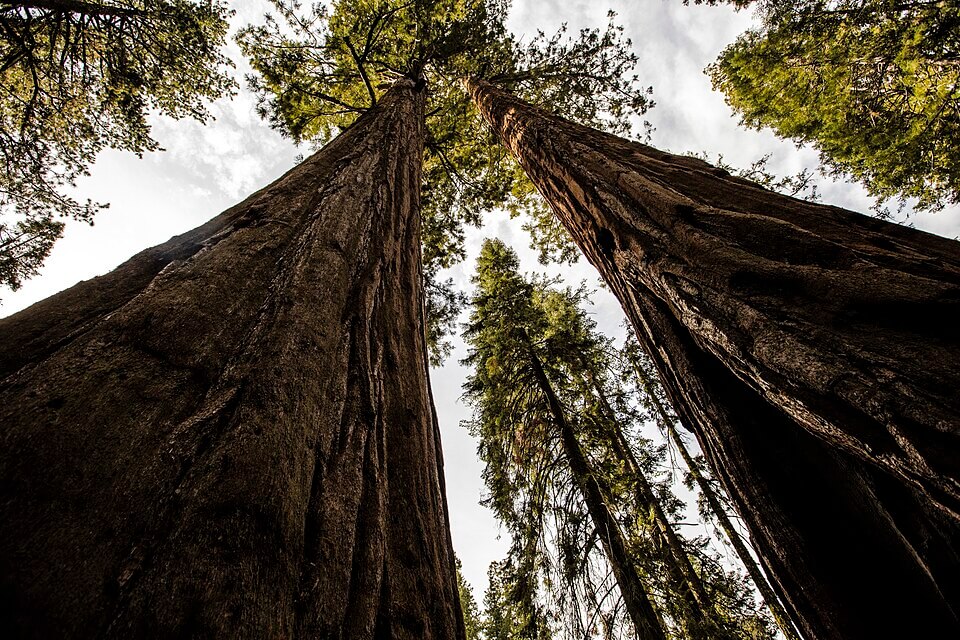
Sequoia National Park isn’t just another pretty forest. It’s home to the giant sequoia, the largest tree species on Earth by volume. Walking among these ancient giants feels less like a hike and more like stepping into a living museum, one where the exhibits happen to be thousands of years old and taller than a 20-story building.
What really sets this park apart is the sheer scale of everything. The mountains are steep, the canyons are deep, and the trees are, well, enormous. It’s a place built for superlatives.
A Quick Snapshot of the Park
Established in 1890, Sequoia was actually America’s second national park, right behind Yellowstone. It covers over 400,000 acres and sits right next to its sister park, Kings Canyon, with which it’s jointly managed. Together, they form a massive wilderness playground for hikers, photographers, and anyone who just wants to breathe some seriously fresh mountain air.
The History Behind Sequoia National Park
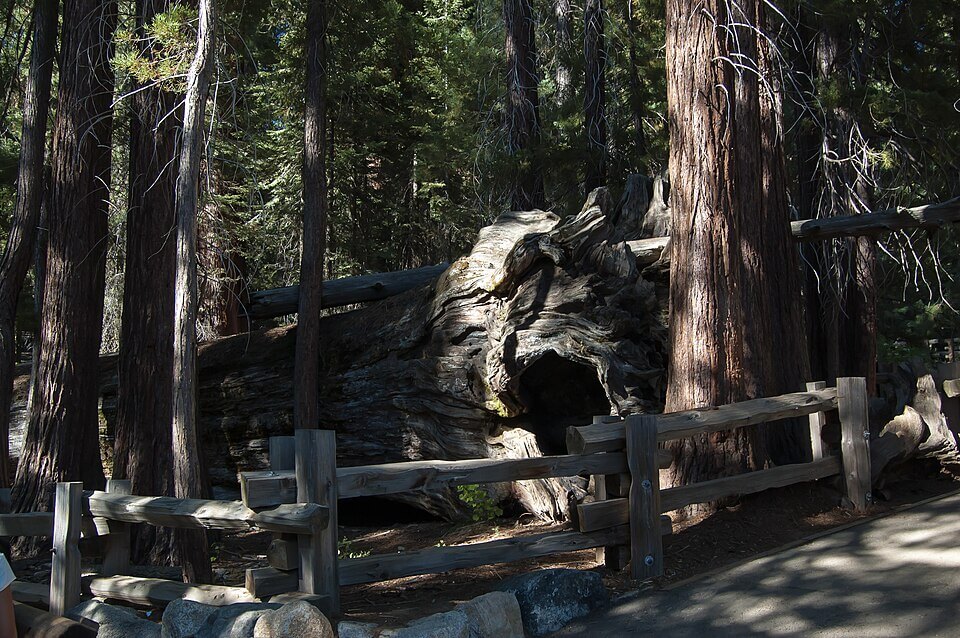
Before it became a protected treasure, this land told a much older story, one written by nature over thousands of years and by people who lived alongside these giant trees long before tourists ever showed up with cameras.
How the Park Came to Be
Back in the late 1800s, loggers had their eyes on these massive sequoias. Can you imagine cutting down a tree that took two thousand years to grow? Thankfully, conservationists pushed back hard, and in 1890, Congress stepped in to protect the area. It was one of the earliest wins for the American conservation movement, setting a precedent that nature sometimes needs saving from us.
The Native Peoples Who Called It Home
Long before European settlers arrived, the Monache (Western Mono) and Yokuts peoples lived in these mountains and valleys. They hunted, gathered, and built a life connected to this rugged landscape. Their history is woven into the park’s story, even if it doesn’t always get the spotlight it deserves.
Meeting the Giants: The Sequoia Trees
Here’s where things get truly wild. Giant sequoias aren’t just tall, they’re massive in every dimension. Think of them as the heavyweight champions of the plant world.
General Sherman: The Largest Tree on Earth
Meet General Sherman, the largest known tree on the planet by volume. This behemoth stands about 275 feet tall and has a trunk over 36 feet in diameter at its base. To put that in perspective, its trunk is wider than most city streets. Standing beneath it, you might find yourself whispering, out of sheer respect, like you’re in the presence of something ancient and wise.
Why These Trees Grow So Massive
So why do sequoias get so ridiculously big? It comes down to a perfect combination of factors: mineral-rich soil, a consistent water supply, and a climate that keeps threats like fungal decay at bay. Their bark, which can be several feet thick, acts like natural armor against fire and pests. In a way, these trees are built like tanks, just really, really tall ones.
Top Things to Do in Sequoia National Park
Alright, you’re sold on the trees, but what else is there to actually do here? Turns out, plenty.
Hiking Trails for Every Skill Level
Whether you’re a casual stroller or a hardcore trail runner, Sequoia has something for you.
Congress Trail
This 2-mile paved loop takes you past some of the park’s most famous trees, including the President and the Senate Group. It’s an easy walk, making it perfect for families or anyone who wants giant sequoias without the sweat.
Moro Rock
For those craving a bit of a challenge, Moro Rock delivers. This granite dome features a steep staircase carved right into the rock, and the view from the top is nothing short of spectacular, stretching across the Great Western Divide.
Exploring Crystal Cave
Looking for something completely different? Crystal Cave offers a marble cavern filled with stalactites, stalagmites, and cool underground formations. It’s a refreshing break from the sun and a fascinating look at what’s happening beneath all those giant roots.
Wildlife You Might Encounter
Sequoia isn’t just about trees and rocks, it’s teeming with life. Black bears wander through the forests (yes, really, keep your food locked up), while mule deer graze peacefully in meadows. Overhead, you might spot a golden eagle circling, and if you’re lucky, a Sierra Nevada red fox, a rare and elusive resident of these mountains.
Best Time to Visit Sequoia National Park
Timing your trip right can make a massive difference in your experience.
Visiting in Summer vs. Winter
Summer brings warm weather, open roads, and full access to trails, making it the most popular time to visit. Winter, on the other hand, transforms the park into a snowy wonderland. Many roads close, but if you’re up for snowshoeing past giant sequoias dusted in white, it’s an experience unlike anything else. Each season offers its own kind of magic, so it really depends on what kind of adventure you’re chasing.
Where to Stay Near the Park
Inside the park, you’ll find several campgrounds and a few lodges, like Wuksachi Lodge, which offers comfortable rooms with a rustic mountain feel. If you prefer more amenities, nearby towns like Three Rivers and Visalia offer hotels, restaurants, and easy access to the park entrance.
Tips for Planning Your Trip
Before you pack your bags, keep these tips in mind:
- Book campgrounds and lodges well in advance, especially in summer.
- Bring layers, mountain weather can shift quickly.
- Check road conditions if visiting in winter, since chains may be required.
- Download offline maps, since cell service is spotty at best.
- Respect the wildlife and keep a safe distance, no selfies with bears, please.
Conclusion
Sequoia National Park is proof that nature can still outdo anything we humans could dream up. Where else can you stand next to a living being that was already ancient when the Roman Empire was thriving? Whether you’re hiking to Moro Rock, wandering the Congress Trail, or just staring up at General Sherman in silence, this park has a way of putting life into perspective. So go ahead, plan that trip. The giants have been waiting a couple thousand years, they can wait a little longer for you, but why make them?
Frequently Asked Questions (FAQs)
1. How long do I need to visit Sequoia National Park?
A day trip lets you see the highlights, but two to three days give you time to explore trails, caves, and viewpoints without rushing.
2. Is Sequoia National Park good for kids?
Absolutely. Trails like Congress Trail are easy and stroller-friendly, making it a great spot for family adventures.
3. Can I see Sequoia and Kings Canyon in one trip?
Yes, the two parks are managed together and connected by roads, so many visitors explore both in a single visit.
4. Do I need a permit to hike in Sequoia National Park?
Day hikes generally don’t require permits, but overnight backcountry trips do. Check the park’s official site before you go.
5. What’s the best month to see the giant sequoias without crowds?
Late spring (May) or early fall (September) offer good weather with noticeably thinner crowds compared to peak summer months.