
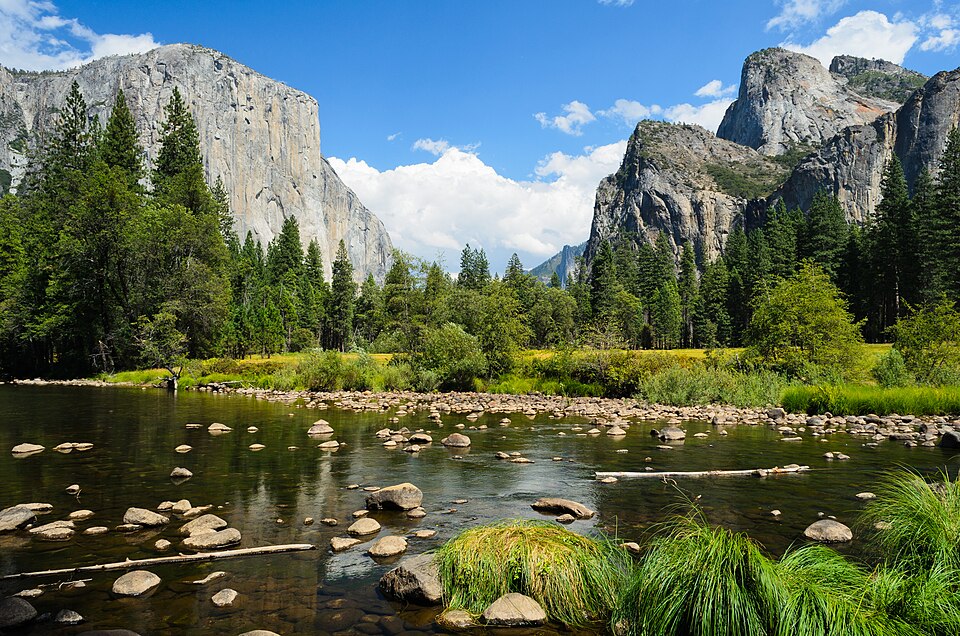
Ever stood somewhere so massive it made you feel like a speck of dust? That’s Yosemite for you. Tucked into California’s Sierra Nevada mountains, this park doesn’t just have scenery — it has presence. Granite cliffs shoot straight up like they’re daring gravity to try something. Waterfalls crash down with a roar you feel in your chest. And somehow, despite millions of visitors every year, it still manages to feel wild.
If you’ve ever typed “best national parks in the US” into a search bar, you’ve seen Yosemite’s name pop up again and again. But why? Let’s dig into what makes this place tick, what you shouldn’t miss, and how to plan a trip that doesn’t leave you overwhelmed.
What Makes Yosemite So Special?
Here’s the thing about Yosemite — it’s not just pretty, it’s geologically bizarre in the best way. Glaciers spent millions of years carving out this landscape, leaving behind sheer granite walls that look almost unnatural, like a movie set designer got a little too ambitious. Add in five of the tallest waterfalls in North America, ancient sequoia groves, and meadows that turn gold in autumn, and you start to understand why photographers practically live here.
A Quick Snapshot of the Park
Yosemite spans nearly 750,000 acres, most of which is designated wilderness. That’s bigger than the entire state of Rhode Island, if you want a fun comparison. It sits within a few hours’ drive of San Francisco, which means it’s accessible without feeling crowded — well, mostly, but we’ll get to that.
The History Behind Yosemite’s Fame
You can’t talk about Yosemite without talking about the people who shaped its story, both before and after it became a park.
Native American Roots
Long before tourists showed up with cameras, the Ahwahneechee people called this valley home. Their name for the area, roughly translating to “place of the gaping mouth,” hints at just how dramatic the landscape must have looked to early inhabitants. Their presence here goes back thousands of years, and their cultural connection to the land remains part of the park’s identity today.
John Muir and the Conservation Movement
Fast forward to the 1800s, and you get John Muir — basically the patron saint of American wilderness. His writings about Yosemite were so persuasive that they helped convince the U.S. government to protect it. In 1890, Yosemite officially became a national park, and Muir’s fingerprints are still all over how we think about conservation today. Would America’s national park system even exist in its current form without him? Hard to say, but it’s fair to give the guy some serious credit.
Top Landmarks You Simply Can’t Miss
Alright, let’s get to the good stuff — the landmarks that make people gasp audibly.
Half Dome
This isn’t just a rock formation; it’s basically Yosemite’s mascot. Half Dome rises about 8,800 feet above sea level, and its sheer face looks like someone sliced a mountain clean in half with a giant knife. Hiking to the top is a bucket-list adventure for many, complete with cables bolted into the rock for the final, nerve-wracking ascent.
El Capitan
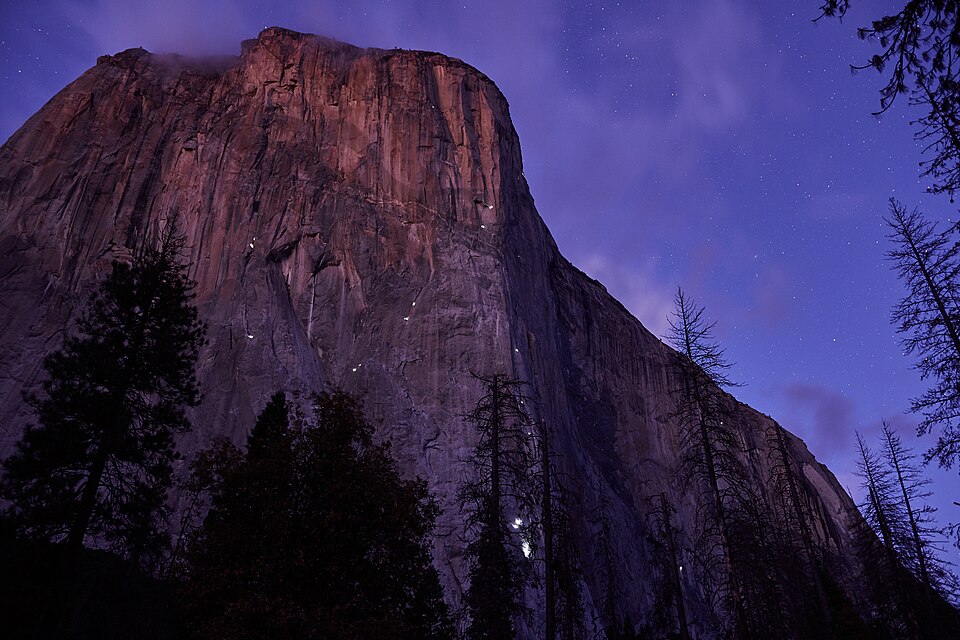
If Half Dome is the mascot, El Capitan is the celebrity. This 3,000-foot vertical wall of granite draws elite rock climbers from around the globe, some of whom spend days — or even scale it in under two hours if they’re free-soloing legends. Even if you have zero interest in climbing, watching tiny dots inch up that massive wall is oddly mesmerizing.
Yosemite Falls
Water tumbling nearly 2,425 feet — that’s Yosemite Falls, one of the tallest waterfalls in North America. It’s actually made up of three sections: Upper Falls, the Middle Cascades, and Lower Falls, all working together like a natural staircase for water.
Best Time to See the Falls at Their Peak
Spring is your golden window here. Snowmelt from the surrounding mountains feeds the falls, making April through June the best time to catch them in full, thunderous glory. By late summer, they can slow to a trickle or dry up entirely, so timing really matters.
Yosemite Valley: The Heart of the Park
Think of Yosemite Valley as the park’s living room — it’s where everyone gathers. Surrounded by towering cliffs on nearly every side, this seven-mile-long valley packs in most of the park’s iconic views within a relatively small footprint. You can drive through it, bike it, or just sit in a meadow and stare up at El Capitan until your neck hurts.
Hiking Trails for Every Skill Level
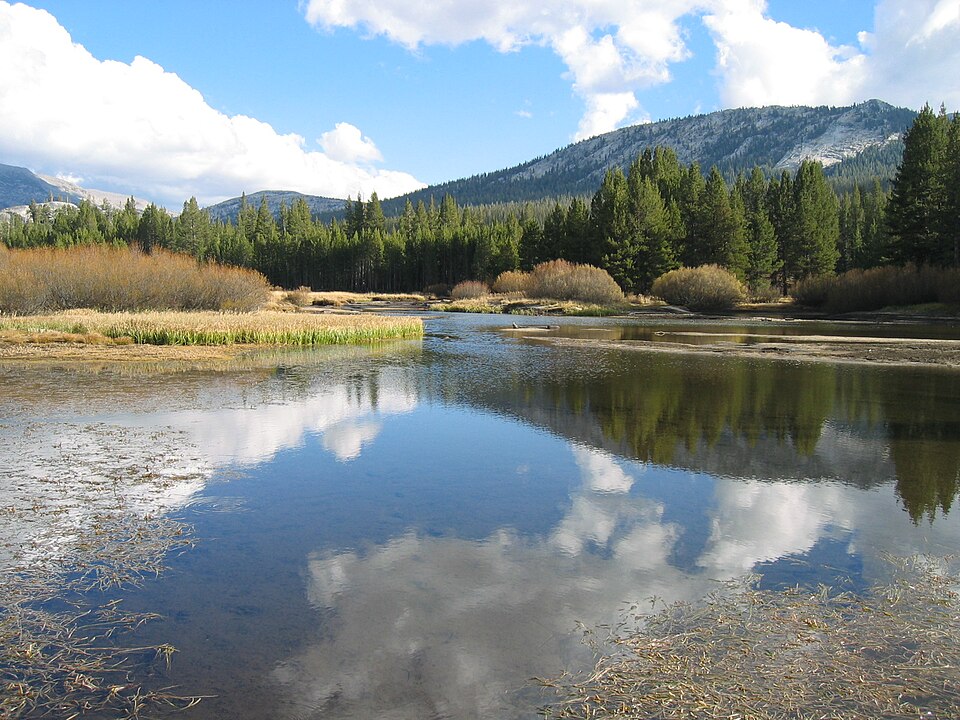
Whether you’re the type who hikes in flip-flops or someone who trains for months, Yosemite has a trail with your name on it.
Easy Walks for Families
Trails like the Lower Yosemite Fall Loop or Mirror Lake are short, flat, and stroller-friendly in some sections. Perfect for families who want the views without the sweat.
Challenging Treks for Serious Hikers
Then there’s the Mist Trail to Vernal and Nevada Falls, or the full Half Dome hike, which clocks in around 14 to 16 miles round trip. These aren’t for the faint of heart, but the payoff — sweeping valley views and bragging rights — makes the burning quads worth it.
Wildlife You Might Encounter
Yosemite isn’t just rocks and water; it’s alive with creatures too. Black bears roam the forests (yes, really, keep your food locked up), while mule deer graze in meadows like they own the place. Bobcats, coyotes, and over 250 species of birds also call the park home. Spotting a bear from a safe distance is thrilling, but remember — this is their turf, not a zoo.
When Is the Best Time to Visit Yosemite?
Timing your trip can make or break the experience, honestly.
Seasonal Breakdown
- Spring (April–June): Waterfalls at their fullest, wildflowers blooming, moderate crowds.
- Summer (July–August): Warm weather, all trails accessible, but also peak crowds and traffic.
- Fall (September–October): Fewer visitors, golden meadows, crisp air — arguably the sweet spot for many travelers.
- Winter (November–March): Snow-dusted cliffs and a quieter, almost magical atmosphere, though some roads close.
Where to Stay In and Around the Park
Options range from rustic campgrounds under the stars to the historic Ahwahnee Hotel, which practically drips with old-world charm. Staying inside the park means less driving and more time soaking in views, but book early — spots fill up fast, sometimes months in advance.
Tips for a Smooth Yosemite Trip
A few pointers before you go: reserve permits early if you’re hiking Half Dome, download offline maps since cell service is spotty, and pack layers no matter the season because mountain weather loves to surprise you. Also, arrive early in the day to beat both traffic and the crowds — Yosemite Valley can feel like rush hour by midmorning in peak season.
Conclusion
Yosemite isn’t just a park you check off a list — it’s the kind of place that rearranges your sense of scale. Standing beneath El Capitan or hearing Yosemite Falls roar in spring, you start to realize how small we really are next to nature’s handiwork. Whether you’re chasing waterfalls, scaling granite giants, or just parking yourself in a meadow with a good book, Yosemite delivers something unforgettable every single time. So, what are you waiting for? Start planning that trip.
Frequently Asked Questions
1. How many days do I need to see Yosemite properly? Three to four days is a solid amount of time to see the highlights without rushing, though you could easily spend a week exploring further.
2. Is Yosemite good for beginners who don’t hike often? Absolutely. Trails like the Lower Yosemite Fall Loop are short and easy, so you don’t need to be an experienced hiker to enjoy the park.
3. Do I need a permit to visit Yosemite? You’ll need a park entrance pass, and certain hikes, like Half Dome, require a separate permit obtained through a lottery system.
4. What’s the closest major city to Yosemite? San Francisco is the nearest major city, roughly a three-to-four-hour drive depending on traffic and route.
5. Can I see Yosemite in the winter? Yes, and it’s stunning with snow on the cliffs, though some high-elevation roads close, so check conditions before heading out.