
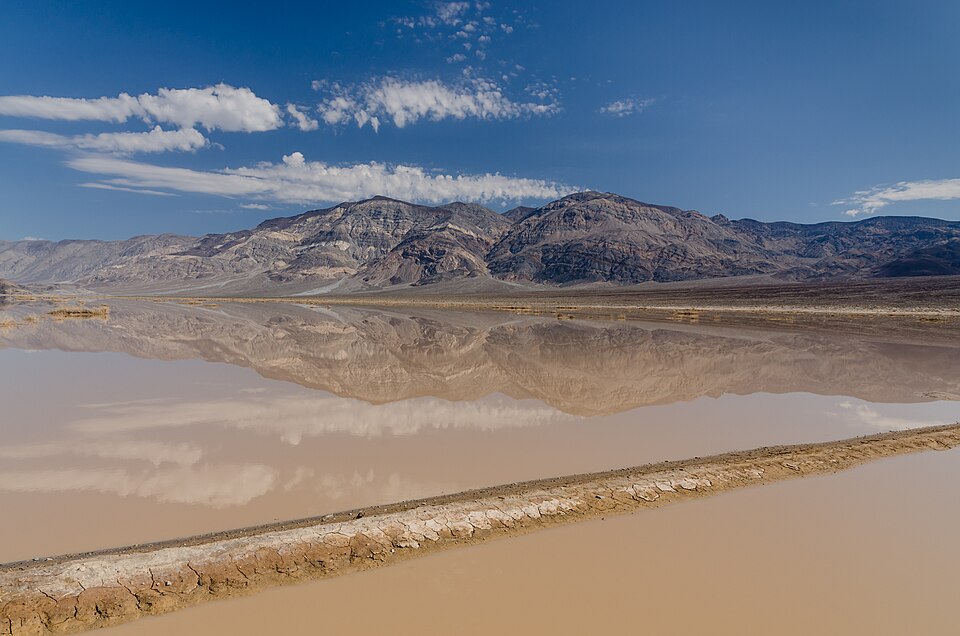
Picture a place so extreme it holds world records for heat, sits below sea level, and somehow still manages to look absolutely stunning. That’s Death Valley in a nutshell. Despite the intimidating name, this California desert isn’t some lifeless wasteland, it’s a park packed with surreal salt flats, colorful badlands, and silence so complete you can practically hear your own heartbeat. If you’ve been putting off a visit because the name sounds a little too dramatic, let’s talk about why you shouldn’t wait any longer.
What Exactly Makes Death Valley So Extreme?
This park doesn’t do anything halfway. It’s a landscape built entirely out of superlatives, and once you understand why, the whole place makes a lot more sense.
The Hottest Place on Earth
Death Valley holds the official record for the highest air temperature ever reliably recorded on the planet, a scorching 134°F back in 1913 at a spot called Furnace Creek. Even today, summer afternoons regularly climb past 120°F. The heat here isn’t just uncomfortable, it’s genuinely dangerous, which is exactly why timing your visit matters so much, something we’ll get into shortly.
A Land of Record-Breaking Lows
Here’s the twist: this blistering hot place is also home to Badwater Basin, the lowest point in North America at 282 feet below sea level. Stand there and look up at Telescope Peak in the distance, towering over 11,000 feet above you, and you’re witnessing one of the most dramatic elevation contrasts found anywhere in the country. It’s a strange kind of magic, having the highest heat and the lowest ground practically sharing the same zip code.
The Story Behind the Name and the Land
Every intimidating name has an origin story, and Death Valley’s is rooted in a rough moment of American history.
How Death Valley Got Its Ominous Name
Back in 1849, a group of gold rush pioneers got stranded trying to cross this unforgiving basin as a shortcut to California’s gold fields. Most of them survived, but the ordeal was brutal enough that, as legend has it, one survivor turned back for a final look and muttered “goodbye, Death Valley.” The name stuck, even though the vast majority of people who cross it today do so with far less drama and a lot more air conditioning.
From Monument to National Park
Long before those pioneers ever set foot here, Indigenous peoples, particularly the Timbisha Shoshone, had called this valley home for centuries, adapting remarkably well to its harsh conditions. The area was designated a national monument in 1933, and it wasn’t until 1994, thanks to the California Desert Protection Act, that it officially became a national park, and one of the largest in the contiguous United States at that.
When to Visit Death Valley
Nail the timing, and Death Valley turns from intimidating to genuinely magical. Get it wrong, and, well, it lives up to its name.
Winter: The Sweet Spot
November through March is hands-down the best window to visit. Daytime temperatures hover in a pleasant range, nights get chilly but manageable, and you can actually enjoy long hikes without feeling like you’re being slowly baked. This is when most visitors show up, and for good reason.
Spring: Wildflowers and Warmth
If the winter rains cooperate, spring can deliver an unexpected treat: a “super bloom,” where wildflowers blanket the desert floor in surprising bursts of color. It doesn’t happen every year, but when it does, it’s worth planning your trip around.
Why You Should Avoid Summer
Summer here isn’t just hot, it’s a legitimate safety hazard. Temperatures routinely exceed 120°F, and pavement can get hot enough to cause burns. Rangers strongly discourage hiking after 10 a.m. during summer months, and honestly, most seasoned visitors just skip the park entirely between June and September.
Must-See Spots and Things to Do
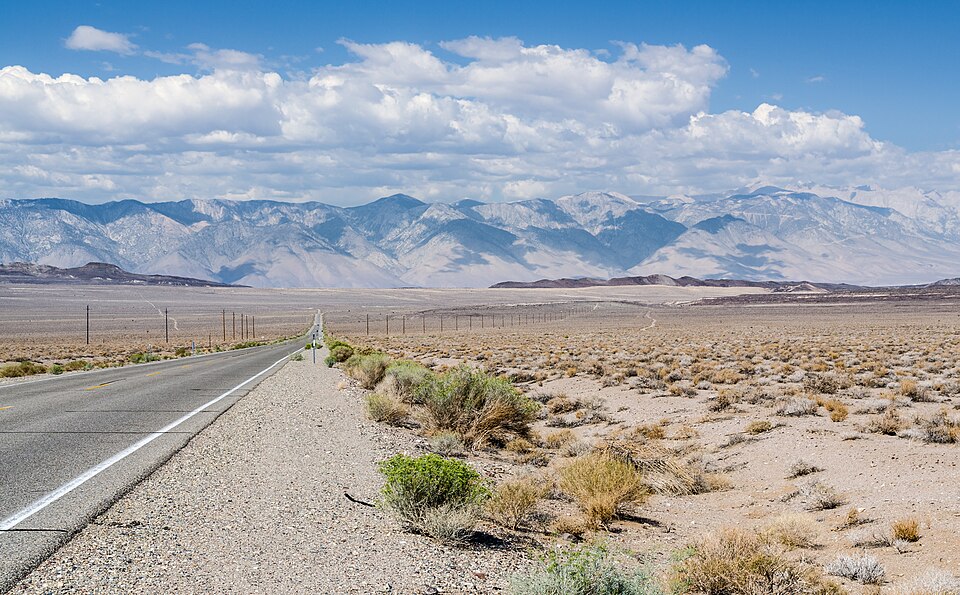
Once you’re actually in the park, the sightseeing options are stranger and more varied than most people expect.
Iconic Landscapes You Can’t Miss
Death Valley isn’t just sand and heat, it’s a genuine visual buffet of otherworldly terrain.
Badwater Basin
This massive salt flat stretches out in cracked, geometric patterns that look almost too perfect to be natural. Walking out onto it, especially near sunset when the light turns golden, feels like stepping onto another planet entirely.
Zabriskie Point
Famous for its wavy, golden-brown badlands, this spot is an absolute magnet for photographers, especially at sunrise when the eroded hills glow in shifting shades of amber and rust.
Hiking Trails Worth Your Time
Golden Canyon offers a moderate hike through narrow, colorful canyon walls, easily doable in a couple of hours. For something more adventurous, Mosaic Canyon features polished marble walls that narrow and widen dramatically as you move through, like walking through a giant’s sculpture garden.
Stargazing Under Some of the Darkest Skies in the Country
Death Valley is designated a Gold Tier International Dark Sky Park, one of the highest ratings out there. With minimal light pollution for miles in every direction, clear nights reveal a genuinely staggering number of stars. Bring a chair, park yourself somewhere open, and just let your eyes adjust. It’s the kind of view that makes you forget your phone even has a camera.
Where to Stay: Camping, Lodges, and Nearby Towns
Your sleeping arrangements can seriously affect how comfortable this trip feels, so it’s worth weighing your options.
Camping Options Inside the Park
The park has several campgrounds, with Furnace Creek being the most popular thanks to its amenities and central location. Texas Spring and Sunset offer simpler setups for those who don’t need many frills. Just remember that during summer, camping at lower elevations is genuinely risky, so higher-elevation sites become the safer bet if you’re visiting in warmer months.
Hotels and Lodges for a Comfier Stay
If you’d rather skip the tent, The Ranch at Death Valley and The Inn at Death Valley both offer proper beds, restaurants, and even pools, a genuinely welcome sight after a hot day of exploring. Nearby towns like Beatty, Nevada, also offer additional lodging options if the in-park spots are booked up.
Essential Packing and Safety Tips
Death Valley doesn’t forgive poor planning, so a little preparation goes a long way toward keeping your trip fun instead of miserable. Water is the single most important item, pack far more than feels necessary, since dehydration here can sneak up fast. Sunscreen and a wide-brimmed hat are basically mandatory, given how little shade the landscape offers. Keep your gas tank full, since services are sparse and distances between stops can be deceptively long. Cell service is virtually nonexistent in most of the park, so download offline maps ahead of time and always tell someone your planned route before heading out.
Final Thoughts on Visiting Death Valley
Death Valley might have an intimidating name, but underneath that reputation is one of the most visually striking and genuinely fascinating parks in the country. From the cracked salt flats of Badwater Basin to the golden badlands of Zabriskie Point, this is a landscape that rewards curiosity and respects preparation in equal measure. Time your visit right, pack smart, and you’ll walk away with a completely different impression than the name suggests, one filled with awe rather than dread.
Frequently Asked Questions
1. Is Death Valley National Park safe to visit?
Yes, as long as you visit during cooler months and take basic precautions like carrying extra water, avoiding midday hikes in warmer weather, and keeping your gas tank topped off.
2. How many days should I spend in Death Valley?
Two to three days is generally enough to see the major highlights, including Badwater Basin, Zabriskie Point, and a hike or two, without feeling rushed.
3. Can I visit Death Valley in the summer?
It’s technically possible but not recommended. Extreme heat makes hiking dangerous, and many visitors choose to stick to short drives and air-conditioned stops instead.
4. Are pets allowed in Death Valley National Park?
Pets are allowed in developed areas, campgrounds, and on roads, but they’re not permitted on hiking trails or in wilderness areas.
5. What’s the closest major city to Death Valley?
Las Vegas, Nevada, is the closest major city, roughly a two-hour drive from the park’s eastern entrance.