
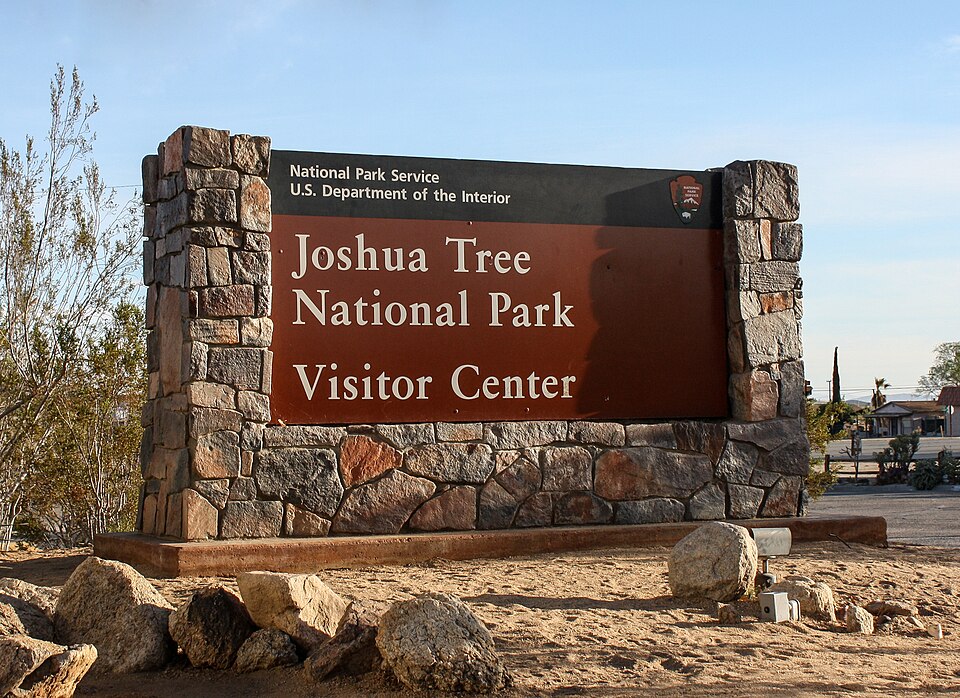
Ever stood somewhere so strange and beautiful that you had to double-check you hadn’t wandered onto another planet? That’s Joshua Tree for you. Tucked into the California desert, this park is a wild mashup of spiky trees, boulder piles that look like they were tossed by a giant, and skies so clear you’ll swear you can touch the stars. If you haven’t been, you’re missing out on one of the most unique landscapes in the entire American park system. Let’s dig into what makes this place tick, and how you can plan a trip that actually delivers.
What Makes Joshua Tree So Special?
Here’s the thing about Joshua Tree: it’s not just one desert. It’s two, smashed together, each bringing its own personality to the party.
Where Two Deserts Collide
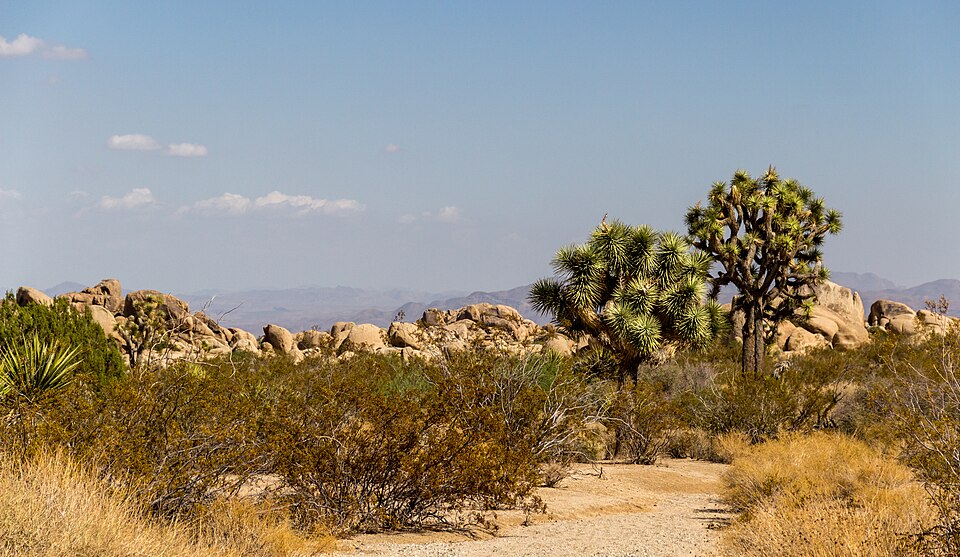
The park sits right at the meeting point of the Mojave Desert and the Colorado Desert. Think of it like two roommates with totally different styles sharing an apartment. The Mojave, which covers the western and higher-elevation half of the park, is cooler, a bit wetter, and home to those famous spiky trees everyone comes to see. The Colorado Desert, lower and hotter, spreads across the eastern side and feels more like classic desert terrain, dotted with cholla cactus and creosote bush. Walking from one zone to the other, you’ll actually notice the shift. It’s subtle, but it’s there, like flipping between two chapters of the same book.
Those Iconic, Twisty Trees
You can’t talk about this park without talking about its namesake. Joshua trees aren’t really trees at all. They’re a type of yucca, and honestly, they look like something out of a Dr. Seuss book. Gnarled branches reach up in odd angles, each one topped with a spiky burst of leaves. Mormon settlers supposedly named them after the biblical figure Joshua, thinking the branches looked like arms raised in prayer. Whether or not you buy that story, there’s no denying these trees have a personality all their own. Sadly, climate change is putting pressure on their range, so seeing them now, while you still easily can, feels a little more meaningful.
A Quick Trip Through Joshua Tree’s History
Every landscape has a story, and this one’s is richer than most people realize.
Native Roots
Long before it was a national park, this land was home to Indigenous peoples, including the Cahuilla, Serrano, Chemehuevi, and Mojave. They didn’t just pass through the desert, they thrived in it, using native plants for food, medicine, and tools, and leaving behind rock art and grinding stones that you can still spot today if you know where to look. That deep connection to the land didn’t just vanish. It’s part of the reason this place still feels sacred to a lot of visitors, even those who’ve never heard the history before setting foot on the trails.
How It Became a National Park
Fast forward to the 1930s, when a woman named Minerva Hoyt, appalled by cactus poaching and desert destruction, campaigned hard to get this area protected. Her efforts paid off in 1936, when President Franklin D. Roosevelt designated it a national monument. It wasn’t until 1994, though, that Joshua Tree leveled up to full national park status, thanks to the California Desert Protection Act. So next time you’re admiring those boulders, tip your hat to Minerva. Without her stubborn persistence, this place might look a lot different today.
Best Times to Visit Joshua Tree
Timing your trip right can make or break the experience. Trust me, showing up in the wrong season is like bringing a swimsuit to a snowstorm.
Spring: The Crowd Favorite
Spring, especially March through May, is prime time. Temperatures are mild, wildflowers pop up if the winter rains cooperated, and the whole desert feels like it’s waking up. The catch? Everyone else knows this too, so expect busier trails and fuller campgrounds. Book ahead if you can.
Fall and Winter: The Underrated Gems
Fall, roughly October through November, offers similar comfortable temps with noticeably thinner crowds. Winter brings cooler days and genuinely cold nights, sometimes dipping below freezing, but if you’re prepared with layers, it’s a fantastic time for quiet hikes and dramatically clear stargazing. Honestly, winter might be the park’s best-kept secret.
Why Summer Is (Mostly) a No-Go
Summer temperatures routinely blast past 100°F, turning midday hikes into a genuinely dangerous idea. If you must visit in summer, stick to early mornings, carry way more water than you think you need, and treat the afternoon heat like a wall you simply don’t cross.
Top Things to Do in the Park
Once you’re there, the real question becomes: where do you even start? There’s a lot packed into this desert.
Hiking Trails for Every Skill Level
Whether you’re dragging the kids along or training for something bigger, Joshua Tree has a trail with your name on it.
Easy Walks
The Hidden Valley Trail is a short, family-friendly loop that winds through a boulder-ringed valley, once rumored to be a hideout for cattle rustlers. Cholla Cactus Garden offers an easy, flat stroll through a dense patch of “teddy bear” cholla that looks soft but is anything but, so keep your hands to yourself.
Challenging Treks
If you want something that’ll actually make your legs complain, tackle Ryan Mountain. It’s a steep climb, but the payoff is a sweeping 360-degree view of the park that makes every huffing, puffing step worth it. Lost Palms Oasis is another solid option, a longer trek rewarding you with a surprising cluster of palm trees in the middle of all that rock and sand.
Rock Climbing and Bouldering
Climbers practically consider this place sacred ground. With thousands of routes across granite formations, it’s one of the most popular climbing destinations in the country. Beginners can hire local guides for lessons, while seasoned climbers show up specifically to test themselves against Joshua Tree’s famously grippy, technical rock.
Stargazing Like You’ve Never Seen It
Because Joshua Tree sits far from major city lights, it’s designated as an International Dark Sky Park. On a clear, moonless night, the Milky Way stretches overhead so vividly it almost looks fake, like someone cranked up the saturation on a photo. Bring a blanket, find an open spot away from other headlights, and just look up. It’s the kind of view that makes you feel refreshingly small in the best possible way.
Where to Stay: Camping and Beyond
Where you sleep can shape your whole trip, so it’s worth thinking through your options.
Camping Inside the Park
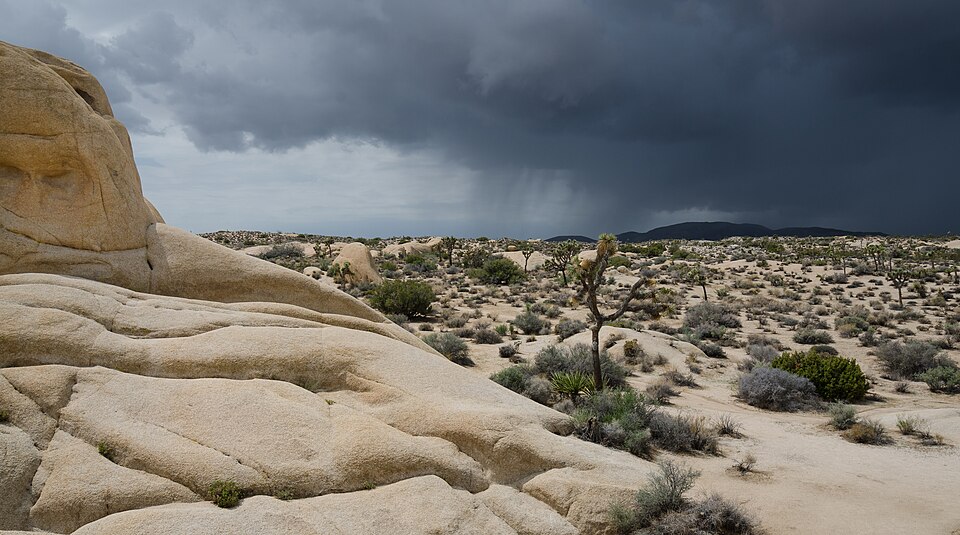
There are nine campgrounds scattered throughout Joshua Tree, ranging from primitive sites with zero amenities to slightly more developed spots with flush toilets. Jumbo Rocks and Hidden Valley are especially popular thanks to their scenic boulder backdrops. Reservations fill up fast during peak season, so plan ahead rather than rolling the dice on a first-come, first-served spot.
Nearby Towns Worth Exploring
If sleeping on the ground isn’t your idea of a vacation, the towns bordering the park, like Joshua Tree, Yucca Valley, and Twentynine Palms, offer everything from quirky roadside motels to Instagram-famous Airbnbs shaped like domes. These towns also give you a chance to refuel with a good meal and grab any last-minute supplies before heading back into the wild.
Packing Tips and Safety Basics
The desert doesn’t care how prepared you feel, so a little planning goes a long way. Water is non-negotiable, pack more than you think you’ll drink. Sun protection matters too, since shade is scarce and the sun doesn’t take breaks. Layers are your friend, since desert temperatures can swing wildly between day and night. Cell service is spotty at best, so download offline maps before you arrive, and always let someone know your planned route. None of this is meant to scare you off, it’s just the desert’s way of asking you to respect it.
Final Thoughts on Visiting Joshua Tree
Joshua Tree isn’t just a park you check off a list, it’s a place that kind of gets under your skin. Between the otherworldly trees, the boulder fields that beg to be climbed, and skies packed with more stars than you knew existed, it’s easy to see why people keep coming back. Plan around the seasons, respect the heat, and give yourself enough time to actually slow down and take it in. Once you do, you’ll understand why so many visitors leave calling it one of their favorite parks in the country.
Frequently Asked Questions
1. How many days do I need to see Joshua Tree National Park?
Two to three days is a solid amount of time to hit the major highlights, hike a few trails, and still have an evening or two for stargazing without feeling rushed.
2. Are Joshua trees actually endangered?
They’re not officially endangered yet, but scientists warn that rising temperatures and changing rainfall patterns could shrink their range significantly over the coming decades.
3. Can I bring my dog to Joshua Tree National Park?
Pets are allowed but restricted mostly to roads, campgrounds, and picnic areas. They’re not permitted on trails, so leave the pup at a pet-friendly rental if hiking is your main goal.
4. Is there cell phone service in the park?
Service is unreliable throughout most of the park, so it’s smart to download offline maps and let someone know your itinerary before you head out.
5. Do I need a permit for rock climbing?
No permit is required for day climbing, but backcountry camping near climbing routes does require registering at one of the park’s designated boards.