
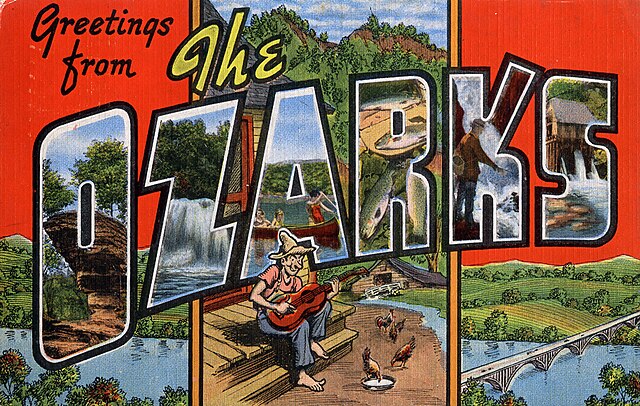
Let’s be honest for a second. When you hear “Ozark Mountains,” what pops into your head? Is it the tense, blue-lit drama of the Netflix series? Or maybe old cartoons depicting backwoods stereotypes with straw hats and shotguns? Well, I’m here to tell you to toss most of those images right out the window. Sure, the show put the region on the map for a new generation, but the real Ozarks? They are so much richer, deeper, and more beautiful than fiction could ever capture.
Imagine a place where the air smells like damp cedar and cool water rushing over limestone. A place where the hills aren’t jagged peaks but ancient, rounded mounds blanketed in a sea of green. This is the Ozarks—a massive, rugged, and surprisingly wild region smack-dab in the middle of the country. It’s a place of hidden grottoes, thunderous springs, and a culture that holds onto its traditions with a gentle but firm grip. Whether you’re an adrenaline junkie looking to kayak pristine rivers or someone seeking the quiet solace of a forest trail, the Ozarks have a hollow—or “holler”—with your name on it.
Where Exactly Are the Ozarks? (And Why You’re Pronouncing It Wrong)
First things first, let’s get our bearings. The Ozarks aren’t a single mountain range in the traditional sense, like the Rockies. Geographers call it the Ozark Plateau. This is a sprawling, uplifted highland region that covers a significant chunk of the southern Midwest.
The Ozark Plateau: A Geographic Breakdown
If you’re looking at a map, you’ll find the Ozarks dominating southern Missouri and northern Arkansas. But they don’t stop there. The region spills over into a corner of southeastern Kansas and a big chunk of northeastern Oklahoma (you’ll often hear that area referred to as “Green Country”). We’re talking about a massive area—roughly 47,000 square miles. That’s about the size of Mississippi!
The Major Regions: Ozarks vs. Ouachita
And about that pronunciation—it’s a dead giveaway if you’re a local or a tourist. It’s not “Oh-zarks.” It’s “Oz-arks.” Short ‘o,’ just like “Ozzy” Osbourne. Got it? Good.
It’s also important not to confuse the Ozarks with their southern neighbors, the Ouachita Mountains. While they often get lumped together, they are geologically distinct. The Ozarks are older and more eroded, while the Ouachitas are younger and sharper. Think of them as two different chapters in the same epic geological story.
A Landscape Carved by Time: The Geology of the Ozarks
To really understand the Ozarks, you have to look at the rocks beneath your feet. This isn’t just dirt; it’s history. The bedrock here is ancient—mostly limestone and dolomite, formed from ancient seabeds hundreds of millions of years ago. Over eons, water seeping through cracks has been slowly dissolving this rock, like sugar dissolving in water, creating one of the most unique landscapes in North America.
The Power of Water: Caves, Springs, and Karst Topography
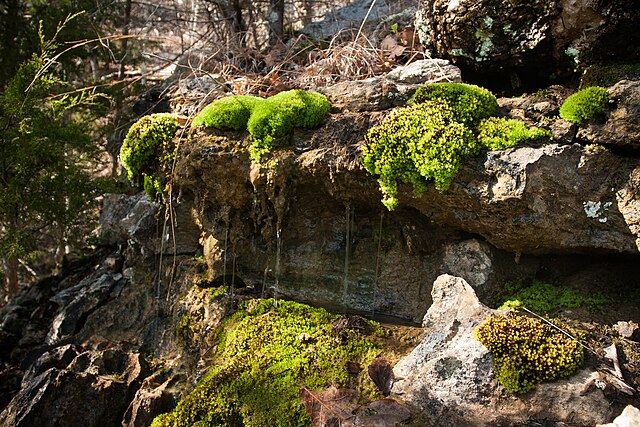
This process is called karst topography, and it’s the secret ingredient to the Ozarks’ magic. Because the rock is soluble, water doesn’t just run off; it disappears. It sinks into the ground, carving out an incredible underworld of caves, caverns, and passages.
And where does all that water go? It comes roaring back out as some of the largest springs in the United States. Places like Big Spring in Missouri aren’t just little trickles; they gush millions of gallons of water daily, forming icy-cold rivers instantly.
Blanchard Springs Caverns: A Living Cave
If you want to see this underground world for yourself, you absolutely have to visit Blanchard Springs Caverns in Arkansas. It’s a “living” cave, which means the formations are still actively growing. Walking through the Dripstone Trail, surrounded by towering columns and delicate soda straws, feels like stepping onto another planet. It’s cool, damp, and utterly awe-inspiring. You realize how small you are in the grand scheme of geological time.
More Than a Backdrop: The Biodiversity Hotspot
Because of this unique blend of geology, climate, and topography, the Ozarks are a haven for plants and animals. It’s a true biodiversity hotspot.
Flora: From Dogwoods to Hickories
In the spring, the hillsides explode with color. The understory lights up with the white blossoms of dogwood trees and the fiery pinks of redbuds. In the fall, the oaks, hickories, and maples put on a show that rivals New England, painting the rolling hills in shades of gold, orange, and crimson. The Boston Mountains, the highest part of the Ozarks, are particularly stunning during this time, with layer upon layer of colorful ridges fading into the distance.
Fauna: Elk, Eagles, and Ozark Hellbenders
Keep your eyes peeled, and you might spot some of the region’s famous residents. After being reintroduced in the 1980s, a healthy elk herd now roams the Buffalo River Valley in Arkansas. Winter brings bald eagles down from the north, congregating around the large reservoirs like Lake of the Ozarks to fish in the open water. And for the truly adventurous naturalist, you might even glimpse the elusive and bizarre-looking Ozark Hellbender, a giant salamander that can grow up to two feet long and lives only in the clean, fast-flowing streams of the region. They look like something from the Paleozoic era—because essentially, they are.
Life in the Hills: The People and Culture of the Ozarks
Now, let’s talk about the people. This is where we tackle the elephant in the room.
The Myth vs. The Reality of “Ozark”
The Netflix show “Ozark” is a great thriller, but it’s a terrible documentary. It uses the region as a dark, moody backdrop for a story about crime. The real Ozarkers are a far cry from the Byrdes or the Langmores. The culture here is built on a foundation of self-reliance, resourcefulness, and a deep connection to the land. These are folks who can fix an engine with baling wire and a prayer, who know the best mushroom-hunting spots that have been passed down for generations, and who will wave at you whether they know you or not.
The Sound of the Hills: Old-Time Music and Bluegrass
The soul of the Ozarks is in its music. This is the heartland of old-time fiddle tunes and bluegrass. Head to a small town square on a Friday night, and you might find an impromptu jam session. The fast-paced picking of banjos and the mournful wail of a fiddle tell stories of love, loss, and hard times. It’s music that’s meant to be played on a front porch, with the mountains as your audience.
Craftsmanship and Grit: The Spirit of Independence
This independent spirit also shows up in the incredible craftsmanship. From quilters creating intricate patterns to woodworkers crafting beautiful furniture from local hardwoods, there’s a pride in making things by hand. This isn’t just about art; it’s a legacy of a people who had to be self-sufficient. Living in these hills wasn’t easy, and that grit has shaped the character of the place.
Your Ultimate Ozarks Adventure: Things to Do
Okay, enough history and culture—let’s get to the fun part. What can you actually do in the Ozarks? The short answer: a whole lot.
On the Water: Floating, Fishing, and Floating Some More
The lifeblood of the Ozarks is its rivers. And the best way to experience them is by “floating.” This could mean lazily drifting down a gentle current in an inner tube with a cold drink, or navigating the rapids in a kayak or canoe.
The Mighty Current and Jacks Fork Rivers
Two of the crown jewels are the Current River and the Jacks Fork River in Missouri, which together make up the Ozark National Scenic Riverways, the first national park area to protect a river system. The water is so clear you can see the gravel bottom 20 feet down. You’ll float past towering bluffs, spring openings, and gravel bars perfect for a picnic. It’s the definition of tranquility.
On the Trails: Hiking with a View
If you prefer to stay on dry land, the hiking is world-class.
Whitaker Point (Hawksbill Crag)
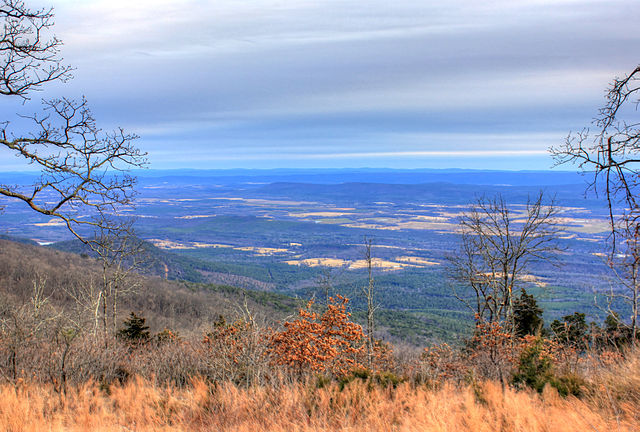
In Arkansas, one hike rules them all: Whitaker Point, more famously known as Hawksbill Crag. This is arguably the most photographed spot in the Ozarks, and for good reason. It’s a relatively moderate hike through lush forest that ends at a stunning rock outcrop that juts out over the valley, shaped like a hawk’s beak. Standing on it, with the trees far below and the ridge-line stretching out before you, is a feeling of pure freedom.
Small-Town Charm: Eureka Springs and Branson
Finally, no trip is complete without experiencing the region’s unique towns.
-
Eureka Springs, Arkansas, is a Victorian gem tucked into a narrow valley. The entire town is on the National Register of Historic Places, with winding, hilly streets lined with quaint bed-and-breakfasts, art galleries, and quirky shops. It’s also known for its spiritual side, with the stunning Thorncrown Chapel rising like a glass forest in the woods.
-
And then there’s Branson, Missouri. Love it or hate it, you can’t ignore it. Branson is the live music show capital of the world, a family-friendly entertainment mecca nestled right on Lake Taneycomo. It’s a fascinating slice of Americana, a place where you can see a dozen variety shows, ride a roller coaster, and eat a massive turkey leg, all in one day.
Conclusion: Why the Ozarks Deserve a Spot on Your Bucket List
So, is it time to book that trip? I’d say absolutely. The Ozark Mountains are an antidote to the modern, digital world. They offer a chance to disconnect and reconnect—with nature, with history, and with a simpler pace of life. It’s a place where you can challenge yourself on a rugged trail in the morning and find yourself tapping your foot to a fiddle tune in a tiny town square that night. It’s authentic, it’s wild, and it’s waiting for you. Come see for yourself what lies beyond the stereotype.
Frequently Asked Questions (FAQs)
1. What is the best time of year to visit the Ozark Mountains?
It depends on what you want to do! Spring (April-May) is beautiful with wildflowers and great for floating, but it can be rainy. Fall (September-October) is arguably the best, with stunning fall foliage, comfortable hiking temperatures, and fewer crowds. Summer is peak season for water activities, but it’s hot, humid, and busy. Winter offers a stark, quiet beauty and is perfect for cozy cabin getaways.
2. Are the Ozarks safe for solo travelers or families?
Absolutely. The Ozarks are generally very safe. The small towns are welcoming, and the state and national parks are well-maintained and patrolled. Like any outdoor destination, you should take standard precautions: let someone know your hiking plans, stay on marked trails, and be aware of weather conditions. For families, it’s a paradise with endless kid-friendly activities.
3. What’s the difference between the Ozark National Forest and the Mark Twain National Forest?
It’s mostly a matter of which state you’re in. The Ozark National Forest is located in Arkansas, covering 1.2 million acres. The Mark Twain National Forest is spread across southern Missouri, covering about 1.5 million acres. Both offer fantastic camping, hiking, and scenery. They are managed by the U.S. Forest Service, not the National Park Service.
4. Are there any dangerous animals I need to worry about?
You are a visitor in their home, so respect is key. The main concerns are venomous snakes (like copperheads and timber rattlesnakes), but encounters are rare if you watch where you step and listen. Ticks are a much more common nuisance, so be sure to do tick checks after hiking. Black bears are present in the region, especially in Arkansas, but they are generally shy and avoid humans. Proper food storage while camping is essential.
5. Can you really drink the water from the springs?
While the spring water looks incredibly clear and pure, and was once famously drinkable, it’s generally not recommended today without treating it first. Because of the karst topography, water can travel through cracks in the rock very quickly, potentially carrying contaminants from surface runoff. It’s always safer to bring your own water or use a high-quality water filter or purification tablets.