
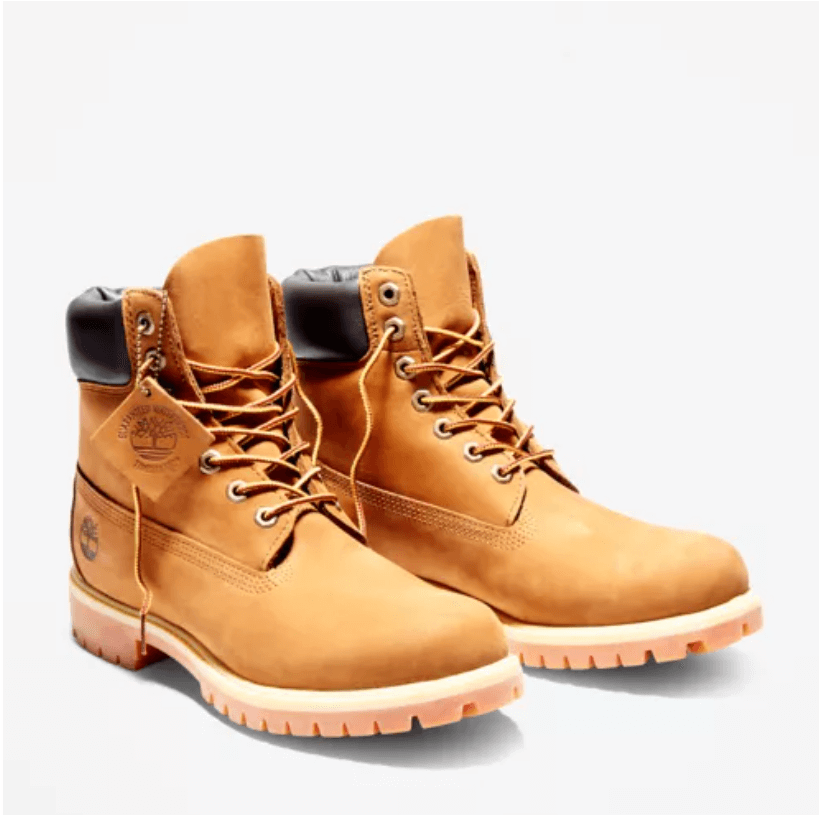
Timberlands: The Ultimate Guide to the World’s Most Iconic Boot
Let’s be real — when someone says “Timberlands,” you already know exactly what boot they’re talking about. That chunky silhouette, the warm wheat-colored nubuck leather, and those distinctive lug soles are burned into the cultural consciousness of pretty much every generation alive today. Whether you spotted them in a 90s hip-hop music video, on a construction site, or on a runway in Milan, Timberland boots are everywhere — and they’re not going anywhere.
But what is it about these boots that makes them so enduring? Is it the quality? The style? The street credibility? The answer, honestly, is all of the above — and then some. In this guide, we’re going to break down everything you need to know about Timberlands: their history, the different styles available, how to wear them, how to care for them, and whether they’re actually worth the investment. So lace up (or don’t — you do you), and let’s dive in.
What Are Timberlands, Exactly?
Before we get into the nitty-gritty, let’s make sure we’re all on the same page. “Timberlands” is the colloquial nickname for boots made by the Timberland Company, an American outdoor footwear and apparel brand founded in 1952. While the company makes everything from sneakers to jackets to bags, the brand became synonymous with a very specific type of boot — rugged, waterproof, and built to last.
A Boot Born for the Outdoors
Originally, Timberland boots were designed with a singular purpose: to keep workers’ feet dry and protected in tough outdoor conditions. Think loggers, construction workers, and outdoorsmen trudging through cold, wet terrain. The boots were engineered with waterproof full-grain leather, padded collars, and lug soles designed to grip all kinds of surfaces. In short, they were workhorses — tough, functional, and no-nonsense.
What nobody could have predicted is that these work boots would eventually become one of the most recognizable fashion symbols in the world. But that’s exactly what happened.
The Signature Yellow Wheat Boot
When most people say “Timberlands,” they’re specifically picturing the 6-Inch Premium Boot in “Wheat” — a warm, golden-tan nubuck leather upper with a yellow outsole, speed-lace system, and that iconic padded collar. This boot is the one that put Timberland on the map culturally, and it remains the brand’s bestseller to this day. It’s like the little black dress of the boot world — timeless, versatile, and always appropriate.
The History of Timberland: From Workshop to World Icon
Every great brand has an origin story, and Timberland’s is genuinely fascinating. It’s the kind of tale that involves immigrant grit, technological innovation, and one of the most unexpected cultural crossovers in fashion history.
Nathan Swartz and the Early Days
The story starts in 1952 when Nathan Swartz, a boot stitcher who had immigrated to the United States, purchased a half-interest in the Abington Shoe Company in Massachusetts. By 1955, he owned the whole operation. Nathan, along with his sons, began experimenting with injection-molding technology to attach soles to uppers without stitching — a revolutionary approach at the time that produced a genuinely waterproof boot.
In 1973, they introduced the first truly waterproof leather boot under the “Timberland” name — and it sold so well that by 1978, the company officially renamed itself The Timberland Company. The rest, as they say, is history. But the really interesting chapter comes a little later.
How Hip-Hop Culture Adopted Timberlands
Here’s where things get really interesting. In the late 1980s and through the 1990s, something unexpected happened on the streets of New York City: hip-hop artists started wearing Timberlands — and not just because they were practical. Artists from the Bronx and Brooklyn embraced the wheat boot as a symbol of authenticity and street credibility. Rappers like Jay-Z, Notorious B.I.G., Wu-Tang Clan, and Nas wore Timbs in videos, on stage, and in everyday life.
Suddenly, a workwear boot became a cultural artifact. The beauty of this adoption is that it wasn’t manufactured by marketing — it was organic. The boot resonated because it represented toughness, endurance, and a no-frills attitude. And once hip-hop culture embraced it, the rest of the world followed. Today, Timberlands are worn in cities from New York to Tokyo to London, by everyone from construction workers to celebrities.
Why Are Timberlands So Popular?
You might be wondering: there are thousands of boot brands out there, so what makes Timberlands stand out? It really comes down to two things — durability and style. But let’s peel back those layers a bit.
Durability That Actually Delivers
Timberland boots are built with premium materials that are designed to withstand real punishment. The full-grain waterproof leather upper is naturally resistant to moisture, the anti-fatigue footbed absorbs shock and returns energy with every step, and the rubber lug outsole provides grip on surfaces that would send lesser boots sliding. These aren’t boots that fall apart after two seasons — with proper care, a pair of Timberlands can last a decade or more. That’s not marketing fluff; it’s genuinely what longtime wearers report.
Think of buying Timberlands like investing in a good cast-iron skillet. The upfront cost is higher than the cheap alternatives, but the longevity and performance make it one of the smartest purchases you can make.
Style That Transcends Trends
The other massive factor is that Timberlands just look good — and they’ve looked good across multiple decades. Fashion trends come and go faster than you can keep up, but these boots have managed to remain relevant through every single shift. That’s not an accident; it’s the result of a clean, honest design that doesn’t try too hard.
Timberlands in Streetwear
In the streetwear world, Timberlands are practically a religion. Paired with slim-fit joggers, an oversized hoodie, and a puffer jacket? That’s a classic look. The boots add weight and grounding to an outfit — literally and figuratively. They signal that you know what you’re doing without screaming for attention.
Timberlands in High Fashion
And then there’s the high-fashion angle. Luxury designers have repeatedly referenced and reimagined the Timberland silhouette on their runways. Brands like Off-White and Stella McCartney have collaborated with or been inspired by the classic Timb. When a work boot makes it to Paris Fashion Week, you know it’s transcended its original purpose entirely.
Different Types of Timberland Boots
A lot of people don’t realize that Timberland makes far more than just that one classic boot. The brand has a surprisingly diverse lineup that caters to different needs, styles, and occasions.
The Classic 6-Inch Premium Boot
This is the OG — the one that started it all. The 6-Inch Premium Boot features waterproof full-grain leather, a padded collar for ankle support, a russet outsole, and that iconic look we’ve been talking about. It comes in a range of colorways beyond wheat, including black, navy, and various limited-edition collaborations, but wheat remains the fan favorite by a long shot.
Timberland Chelsea Boots
For those who want the Timberland quality without the chunky work-boot silhouette, the Chelsea boot is a sleek alternative. It features the same premium leather and waterproofing technology but in a slip-on design with elastic side panels. These work brilliantly for people who need a more polished, streamlined look — think office environments or date nights.
Timberland Chukkas
The Chukka is the middle ground between the classic 6-inch and the Chelsea. It’s a low-cut boot that hits just above the ankle, usually with two or three eyelets. It pairs beautifully with chinos or dark jeans and has a slightly dressier vibe than the original boot. If the 6-inch is a linebacker, the Chukka is a quarterback — still tough, but with more finesse.
Timberland Waterproof Hikers
For those who actually want to use their Timberlands in serious outdoor settings, the waterproof hiking boot line is a brilliant option. These feature more advanced cushioning systems, better ankle support, and outsoles designed specifically for trail conditions. They’re what serious hikers and outdoor workers reach for when they need to trust their footwear with their safety.
How to Style Timberlands Like a Pro
Okay, so you’ve got (or are thinking about getting) a pair of Timberlands. Now what? Let’s talk about how to actually wear them without looking like you just stumbled off a construction site — unless that’s the vibe you’re going for, in which case, respect.
Casual Street Looks
The easiest and most natural place to start is with casual streetwear. Timberlands look fantastic with slim or tapered jeans — either dark blue, black, or even grey. Cuff the jeans slightly to show off the boot. Throw on a graphic tee, a flannel shirt or a crewneck sweatshirt, and a baseball cap. That’s it. You’re done. You look great. The boots do most of the heavy lifting, honestly.
For an elevated version of the same idea, swap the graphic tee for a clean white Oxford shirt worn untucked, and replace the cap with a beanie in colder months. Simple changes, big impact.
Smart-Casual and Business Outfits
Believe it or not, Timberlands can work in smart-casual settings too. Dark slim trousers with a turtleneck sweater and a structured overcoat creates a sophisticated look where the boots add an unexpected, intentional edge. The key is contrast — let the boots be the “tough” element in an otherwise clean outfit. They should feel deliberate, not accidental.
Timberlands for Women: Styling Tips
Timberlands are equally iconic in women’s fashion. One of the most beloved looks is pairing them with a mini skirt or mini dress and chunky socks — the contrast between the feminine silhouette and the rugged boot creates a tension that’s undeniably cool. They also look stunning with straight-leg jeans, an oversized blazer, and a simple tee. Women have, in many ways, pushed Timberland styling into even more creative territory than men, and the boots are all the richer for it.
Are Timberlands Worth the Price?
Let’s address the elephant in the room: Timberlands aren’t cheap. The classic 6-inch Premium Boot typically retails between $180 and $230, depending on the colorway and whether there’s a limited edition premium involved. For some people, that’s a tough pill to swallow. So are they actually worth it?
What You’re Really Paying For
When you buy a pair of Timberlands, you’re paying for full-grain premium leather, a genuine waterproof construction (not just a water-resistant coating that wears off), a comfort footbed engineered for all-day wear, and a sole that’s built to grip and endure. You’re also paying for longevity — because with proper care, these boots will outlast three or four pairs of cheaper alternatives. When you calculate the cost-per-wear over the life of the boot, Timberlands are actually one of the better value propositions in the boot market.
If your budget is tight right now, keep an eye out for Timberland’s seasonal sales and outlet events — you can often snag a pair for 20–40% off without compromising on quality.
Caring for Your Timberlands
Even the toughest boots need love. Here’s how to keep your Timberlands looking fresh and functioning at their best.
Cleaning and Conditioning
For nubuck leather (the most common finish on wheat boots), use a dry nubuck brush to gently buff away surface dirt after each wear. For deeper cleaning, use a specialized nubuck cleaner — never regular soap, as it can strip the leather of its natural oils and change its color. Once clean, apply a nubuck conditioner to keep the leather supple and prevent cracking. A little maintenance every few weeks goes a long way.
Waterproofing and Weather Protection
Even though Timberlands come waterproofed from the factory, that protection can diminish over time with regular wear. Apply a waterproofing spray designed for nubuck leather every few months — more frequently if you’re wearing them in wet conditions regularly. This simple step can dramatically extend the life of your boots and keep your feet dry through whatever the weather throws at you.
Timberland’s Commitment to Sustainability
Here’s something that might surprise you: Timberland is actually one of the more environmentally conscious footwear brands out there. The company has made a significant commitment to sustainability through its “Nature Needs Heroes” campaign and its broader environmental initiatives. They’ve pledged to plant 50 million trees by 2025 as part of their global reforestation efforts — and they’ve made substantial progress toward that goal.
The brand also has a line called Timberland Earthkeepers, which uses recycled and organic materials in the construction of boots and shoes. Some of their soles are made with recycled rubber, and they’ve been working on reducing the carbon footprint of their manufacturing processes. So when you buy a pair of Timberlands, you’re not just getting a great boot — you’re supporting a brand that’s genuinely trying to do right by the planet.
Timberlands vs. Competitors: How Do They Stack Up?
It’s only fair to ask: how do Timberlands compare to other respected boot brands? Let’s take a quick look. Against Red Wing, which is often seen as the gold standard for American work boots, Timberlands are generally more affordable and more versatile in terms of fashion crossover, while Red Wings edge ahead in pure craftsman quality and repairability. Against Dr. Martens, Timberlands win on waterproofing and rugged outdoor performance, while Dr. Martens has a stronger punk-rock fashion identity. Against Blundstone (the beloved Australian Chelsea boot), Timberlands offer more ankle support and better waterproofing, while Blundstones are lighter and more convenient for everyday slip-on use.
The bottom line? Timberlands occupy a unique position in the market where outdoor performance and fashion credibility intersect — and no competitor has quite managed to replicate that sweet spot.
Conclusion
Timberlands are more than just a pair of boots. They’re a cultural institution — one that has managed the extraordinary feat of remaining relevant and respected across wildly different worlds: construction sites and concert stages, hip-hop cyphers and fashion runways, mountain trails and city streets. They’ve achieved this by never compromising on the two things that made them great in the first place: genuine quality and an honest, unpretentious design.
Whether you’re buying your first pair or your fifth, Timberlands are a purchase you genuinely won’t regret. They’ll carry you through seasons, trends, and adventures — and they’ll look good doing it. So if you’ve been on the fence, consider this your sign. Get the boots. You know you want to.
Frequently Asked Questions (FAQs)
Timberlands tend to run slightly large, especially the classic 6-Inch boot. Many wearers recommend going down half a size, particularly if you have narrow feet. If you plan to wear thick socks (which pairs great with Timbs in winter), sticking to your true size often works well. Always try them on in-store when possible, or buy from a retailer with a solid return policy.
While Timberlands are waterproof and handle light snow with ease, they aren’t specifically designed as snow boots. They don’t have insulation beyond basic comfort lining, and their lug soles, while grippy, aren’t rated for icy conditions. For heavy winter use, look at Timberland’s specific winter boot offerings, or pair your classic boots with wool socks and waterproofing spray for added protection.
Genuine Timberlands will have a consistent, high-quality nubuck or leather finish with no uneven coloring. Check the lining for Timberland’s logo tag, the stitching for uniform and tight seams, and the outsole for the embossed Timberland tree logo. Real Timbs also have a distinct weight to them — fakes often feel lighter and cheaper. Buying from authorized retailers or the official Timberland website eliminates all doubt.
Yes — many people with wider feet actually find Timberlands more comfortable than other boots. The classic 6-inch boot has a fairly roomy toe box, and Timberland does offer wide-width options (labeled “W”) in several of their popular styles. The padded collar also accommodates varying ankle widths comfortably. Going up half a size can give extra room if needed.
Timberland PRO is the brand’s dedicated work-boot line, engineered specifically for occupational safety and all-day on-the-job performance. PRO boots often feature steel or composite safety toes, electrical hazard protection, slip-resistant soles rated to ASTM standards, and enhanced anti-fatigue technology. Regular Timberlands are fantastic for everyday wear and outdoor activities but aren’t designed to meet workplace safety certifications. If you need boots for a job site with safety requirements, PRO is the line for you.