
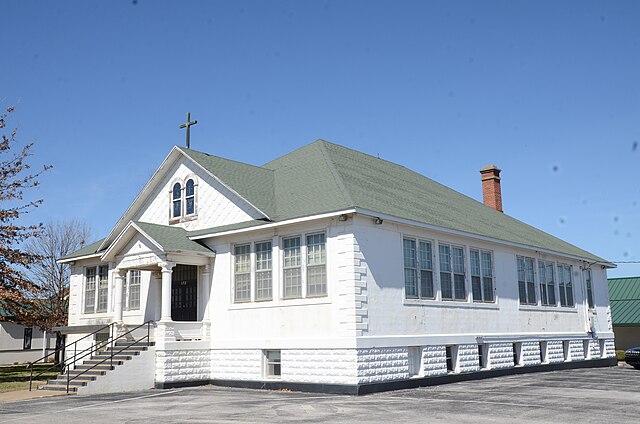
Have you ever driven through the rolling hills of Northwest Arkansas and stumbled upon a place that just feels… different? A place where the scent of grapevines fills the air and the spirit of a centuries-old tradition hums beneath the surface of modern life? That place is Tontitown, Arkansas. Nestled snugly between the bustling cities of Fayetteville and Springdale, Tontitown isn’t just another dot on the map; it’s a living, breathing story of hope, hardship, and heritage . It’s a place where you can hear echoes of Italian dialects mixed with Southern drawls, and where a deep love for community is as strong today as it was over 125 years ago. Let’s take a stroll through this unique town and uncover the magic that makes it so special.
The Birth of Tontitown: A Story of Grit and Grapes
To really understand Tontitown, you have to go back to the very end of the 19th century. Picture this: a group of Italian immigrant families, fleeing poverty and hardship in their homeland, arrive in America with dreams of owning land and building a better life. It’s a classic immigrant tale, but the Tontitown chapter has a unique twist.
From the Mississippi Delta to the Ozark Highlands
Their first stop in Arkansas wasn’t the Ozarks, but the swampy, malaria-ridden Sunnyside Plantation in the Arkansas Delta . Promised the world, they instead found grueling work and miserable conditions. It was a brutal start to the American Dream. Can you imagine the despair? You travel thousands of miles for a fresh start, only to find yourself in a place that seems to be slowly killing you.
Father Pietro Bandini: The Pioneer Priest
Enter a true hero: Father Pietro Bandini. This Catholic priest, who had been looking after the immigrants, knew they had to get out. He boldly struck out to find a new home, scouting the rugged Ozark Mountains in Northwest Arkansas . He purchased land and led a small group of about 35 families on a journey north in 1898 . They named their new settlement Tontitown, after Henri de Tonti, the Italian explorer who had accompanied La Salle in the 17th century . It was a way to honor their Italian roots while embracing their new American identity.
Why the Ozarks Felt Like Home
Here’s the beautiful part: when those first settlers crested the hills and saw the terrain, they must have felt a wave of emotion. The landscape—the valleys, the climate, the clear springs—reminded them of their native Northern Italy . It wasn’t just a place to survive; it was a place that felt like home. They had finally found their promised land.
Overcoming Adversity in the Early Years
But, of course, the story doesn’t end there. Building a town from scratch is never easy, and the Tontitown pioneers faced enormous challenges.
Facing Hostility and Building Community
They were “the other”—a group of people speaking a different language, practicing a different (Catholic) faith, and sticking together. This led to suspicion and, unfortunately, hostility from some of the existing residents. There were even threats and acts of violence, like the arson of their barns and school . It must have been terrifying. But Father Bandini, showing immense courage, confronted the mob and put a stop to the terrorization . This act of bravery solidified the community and showed the world they were here to stay. They built their own homes, their own church, and their own lives, brick by brick, vine by vine.
The First Hard Winter: Survival Against the Odds
That first winter of 1898 was a brutal test. They arrived late in the year with little time to plant and harvest. The men had to travel to the coal mines in Oklahoma just to earn enough money to buy food and supplies, while the women and children stayed behind, working the land and surviving on whatever they could find—even rabbits . Talk about resilience! They lived in simple log cabins and faced the harsh Ozark winter with nothing but sheer determination.
The Fruit of Their Labor: Tontitown Becomes Wine Country
Once they made it through that first winter, the settlers got down to business: farming. And they knew exactly what to plant.
Why Concord Grapes?
They brought with them the Old World knowledge of viticulture. The hillsides and climate proved perfect for growing grapes, particularly the hardy and productive Concord grape . These grapes weren’t just for eating; they were for making wine and juice, a cornerstone of Italian culture. The vineyards flourished, turning the hillsides into lush, green rows of promise.
The Welch’s Connection
The success of Tontitown’s grapes got a huge boost when the Welch Company built a plant in nearby Springdale . Suddenly, they had a major, reliable buyer for their harvest. Grapes became the town’s lifeblood, its identity. They grew apples, peaches, and tomatoes too, but it was the grape that put Tontitown on the map.
The Crown Jewel: The Tontitown Grape Festival
So, what happens when a town owes its existence to a fruit? You throw a party, and you keep throwing it for over 126 years! The Tontitown Grape Festival is not just an event; it’s the beating heart of the community .
More Than Just a Festival, It’s a Family Reunion
Started in 1898 as a harvest celebration, the festival has grown into a massive, five-day extravaganza held every August . But for the locals, it’s so much more than carnival rides and games. It’s a sacred tradition, a way to honor their ancestors and reconnect with family. It’s a homecoming in the truest sense of the word.
The Legendary Spaghetti Dinner
The absolute highlight for thousands of attendees (around 9,000 in past years!) is the famous spaghetti dinner served by the parishioners of St. Joseph’s Catholic Church . We’re not talking about just any spaghetti. Volunteers start preparing in July, making hundreds of pounds of fresh pasta from scratch. The meal is a feast: spaghetti with homemade meat sauce, fried chicken, salad with that secret-recipe Italian dressing, freshly baked bread, and, of course, a serving of Tontitown Concord grapes . For $20, you get a plate heaping with history and love. Where else can you get a meal like that?
Queen Concordia and Her Court
The festival also features the crowning of Queen Concordia, a pageant that dates back decades. Young women from the community compete for the title, but it’s not a typical beauty pageant. The winner is the contestant who sells the most tickets for the grand prize giveaway, often selling tens of thousands of tickets . It’s a testament to their hustle, their community connections, and their dedication to the festival. The queen isn’t just a face; she’s a fundraiser and a representative of the town’s spirit.
Grape Stomps and Carnival Rides
Beyond the food, you’ve got all the classic festival fun: carnival rides, live music, arts and crafts booths, and for the brave (or the kids), the traditional grape stomp . It’s a sensory overload in the best way possible—the sounds of laughter and Italian folk music, the sight of fairy lights twinkling against the night sky, and the sweet taste of grape ice cream. It’s pure magic.
Tontitown Today: A Modern Snapshot
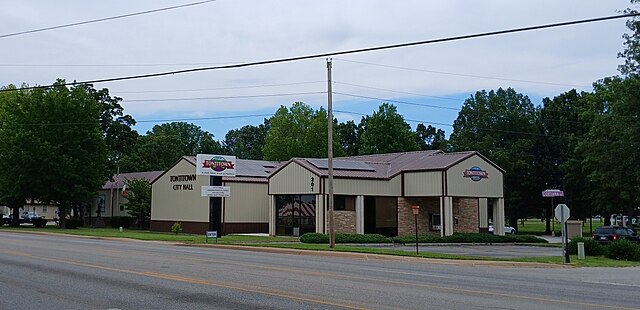
While the Grape Festival keeps the past alive, Tontitown itself is very much focused on the future. If you haven’t visited in a few years, you might be shocked by how much it’s changed.
Explosive Population Growth
Tontitown is one of the fastest-growing towns in Arkansas. Let’s look at the numbers: in the 2000 census, the population was 942. By 2010, it had more than doubled to 2,460 . In 2020, it was 4,301 . And get this—recent estimates for 2024 put the population at nearly 8,000 people ! That’s an astonishing growth rate of over 85% in just a few years.
A Look at the Demographics
This growth has brought diversity. While the population is still predominantly White (around 77%), there’s a growing Hispanic or Latino community (almost 12%), along with increasing numbers of Asian, Pacific Islander, and multiracial residents . The median age is around 41, and it’s a well-educated community, with over 45% of adults holding a bachelor’s degree or higher . The median household income is a healthy $80,987, well above the national average .
The Housing Boom in Northwest Arkansas
That population surge has sent the housing market into overdrive. As of late 2025, the median home price in Tontitown was a staggering $543,278, an 8.7% increase from the year before . Homes are selling fast, averaging just 51 days on the market . It’s a clear sign that people are flocking to this area for its quality of life, its location, and its strong sense of community, even if they have to pay a premium for it.
Living the Good Life in Tontitown
So, what’s it like to live in this unique town today?
A Bedroom Community with a Heart
For many, Tontitown serves as a quiet, family-oriented “bedroom community” for the larger job centers of Fayetteville and Springdale, which are right next door . You get the peace and space of a smaller town with all the amenities—shopping, dining, entertainment—just a short drive away. The commute isn’t bad either; the mean travel time to work is a breezy 20.4 minutes .
Education and Schools
Families are served by the highly-regarded Springdale Public Schools. Tontitown is home to the innovative Jim D. Rollins School of Innovation, an elementary school that uses an open classroom model . Older students typically attend Hellstern Middle School and Har-Ber High School in Springdale . For those seeking a faith-based education, Ozark Catholic Academy, a Roman Catholic high school, is also located in Tontitown .
Getting Around and Location Perks
While Tontitown itself doesn’t have fixed-route public transit, its location is prime. It’s situated right on the Highway 412 corridor, which is slated to become part of the future Interstate system, making connectivity even better . It’s a stone’s throw from the Northwest Arkansas National Airport (XNA) and the bustling commercial centers of the region.
Things to Do in and Around Tontitown
Beyond the Grape Festival, there’s plenty to see and do.
Exploring the Great Outdoors
If you love nature, you’re in luck. The Ozark National Forest is about a 30-minute drive away, offering fantastic hiking, camping, and wildlife viewing . Closer to home, Lake Fayetteville is only 20 minutes out and is perfect for a day of fishing, kayaking, or just walking the scenic trails along the shore . The town itself also has several local parks, great for a family picnic or letting the kids loose on the playground.
Cultural Excursions
For a dose of culture, you absolutely must visit Crystal Bridges Museum of American Art in Bentonville, about 45 minutes away . This world-class museum, set in a stunning natural ravine, houses masterpieces from American history. And if you’re into hands-on learning, the Ozark Natural Science Center provides fantastic educational programs about the local ecosystem .
Conclusion
Tontitown, Arkansas, is a testament to the power of dreams and determination. It’s a place where the past isn’t just remembered; it’s celebrated with a spaghetti dinner and a grape stomp every single year. From the brave Italian settlers who turned a hostile wilderness into a thriving vineyard to the modern families building new homes in its rapidly growing neighborhoods, Tontitown has managed to hold onto its soul. It’s a unique blend of Old World charm and New South energy, a small town with a big heart and a truly unforgettable story. So, next time you’re in Northwest Arkansas, take that exit. Taste the history, feel the community, and experience a little slice of Italy in the heart of the Ozarks.
Frequently Asked Questions (FAQs)
1. When is the Tontitown Grape Festival held?
The Tontitown Grape Festival is traditionally held in early August. It’s a five-day event, typically running from Tuesday through Saturday . It’s always a good idea to check their official website or social media for the exact dates each year.
2. How much does it cost to attend the Grape Festival?
Here’s the best part: admission to the festival and all the entertainment is completely free . You only pay for parking, carnival rides, food, and games. The famous spaghetti dinner is priced separately, usually around $20 for adults and $10 for children .
3. Is Tontitown just a suburb, or does it have its own downtown?
Tontitown functions primarily as a bedroom community for Fayetteville and Springdale, so it doesn’t have a traditional, walkable “downtown” area. Its commercial activity is largely along the Highway 412 corridor. However, the heart of the town is arguably the St. Joseph’s Catholic Church and the festival grounds, where the community gathers.
4. What is the grape ice cream at the festival like?
It’s a must-try! The grape ice cream is a unique festival treat that perfectly captures the town’s heritage. It’s a sweet, creamy, and subtly-flavored purple ice cream that you won’t find anywhere else. Think of it as a frozen tribute to the Concord grape.
5. Why did the Italian immigrants originally choose this spot?
They didn’t initially choose it; Father Pietro Bandini did. After the terrible conditions at the Sunnyside Plantation, he searched for a better location and found this area in Northwest Arkansas. He recognized that the climate and terrain were remarkably similar to the immigrants’ native Northern Italy, offering them the best chance to succeed by using their farming skills, especially with grapes .